PRESENTATION ABOUT HEADSHOT & BUSINESS PHOTOGRAPHY
What we discussed with lisa
HERE IS WHAT WE TOUCHED ON
1. Acknowledging that many women, especially in corporate, have had a horrible experience getting their business headshots taken. It often feels like an assembly line - you step out of the office for a few minutes to be in front of a stranger's camera in the middle of the day, potentially while in a totally wrong or negative headspace. The photographer doesn’t give you much direction, doesn’t pay attention to details. You feel awkward and uncomfortable. And then in the end you get a few shots that you don't like. Not only might the lighting and angles be unflattering, but the images also captured that feeling of awkwardness. And this headshot follows you around like an unfortunate shadow. And not only that - it enters professional spaces even before you do. It's everywhere - in front of potential partners on LinkedIn, on websites for everyone to see and "meet" you for the first time. And every time it shows up it makes you "shrink" just a bit. And then a bit more.
And you may be someone who spent 20 years or more building your career and/ refining your expertise. Seeing an image of yourself should evoke pride, not make you feel small.
2. So there is this misconception that this is just how it is - photography is uncomfortable, you just don't photograph well and the idea of going through it again evokes almost physical pain.
3. But that it doesn't have to be this way. Actually, a photography shoot can be (and should be!) an exciting experience that produces images of you that not only make you think "I'm OK!" but make you feel pretty cute, interesting, confident, joyful and proud. Your photograph should make you feel really good about yourself and give you that excitement to show up.
4. There are several components that ensure your photos will look great:
a) Before the shoot: prepare the face and hair, choosing outfits that are flattering specifically for photography, mental preparation. To do makeup and hair styling or not, and how much of it should be done.
b) During the shoot: what to do with your body and face in front of the camera, the mental space you should be at while your photo is being taken. The lighting. The angles.
c) What happens after the shoot - how to choose the right image, how much retouching should be done.
5. And there is a psychological aspect - the environment and the mental space you're in when you're reviewing your images. For example, looking at your photos while in a relaxed state of mind versus after a long day or a stressful event. It comes down to how we see and judge ourselves in general.
HOW I SEE BUILDING THE PRESENTATION so it's useful, uplifting, and not boring.
a) I would do it more interactive than just talking for the entire time. The audience will ask questions, share their stories, I will ask them questions. We can start with you (Lisa) to "activate" the participation.
b) I would make it fun: use a bit of humor and keep it light. The presentation should not just feel like a Masterclass but more like a conversation.
HERE ARE THE POINTS I'D BE MAKING AND JUST OVERALL STRUCTURE:
(AND MAYBE I'D CALL IT SOMETHING LIKE
"WHEN GETTING A HEADSHOT FEELS LIKE A MEDICAL PROCEDURE")
1. OPENING
INTERACTIVE, I'd start with asking the audience a few questions where they react. Like: What happens and how you feel when you think you need a headshot done, OR you get an email saying "On Tuesday at 2 pm we're doing headshots downstairs..."
Pain, nausea, elevated blood pressure... :)
2. WE SEE A GOOD PHOTO OF US, WE PRAISE THE PHOTOGRAPHER, WHEN WE SEE A BAD ONE - WE BLAME OUR FACE.
Talk about the self-perception and judgement, especially for us women.
3. PHOTOGRAPHY SHOULD BE A FUN EXPLORATION
Simple steps to make the most out of your photography experience and the images. What should happen before, during and after the shoot to make you want to say "This was FUN! When are we doing it again!?" and "I DO look good! And it's ME!"
4. PREPARATION IS CRUCIAL:
a) Preparing what to wear.
I'll share what works best for photography and what to stay away from. While also keeping your individuality.
b) Preparing your face
To wear makeup or not even if you're typically makeup-free in your daily life. What to do and what not to do before the session.
c) Mental preparation. The right headspace and mental dialogue matter. More than you think. How to make it work for you and not against you.
d) Body language versus posing. How to feel the most comfortable in front of the camera.
e) What to expect from the photographer. What is your job and what is their job.
5. REVIEWING THE PHOTOGRAPHS. WHAT ACTUALLY SHOULD HAPPEN WHEN YOU SEE YOUR IMAGES FOR THE FIRST TIME.
6. DON'T BELIEVE THAT ONE PHOTO IS ALL THAT YOU ARE.
I want everyone to understand that a photo, especially a headshot is only a tiny snippet of what is possible. And there is so much more to see and discover. And one image (especially a bad one) should never make you think that this is who you are.
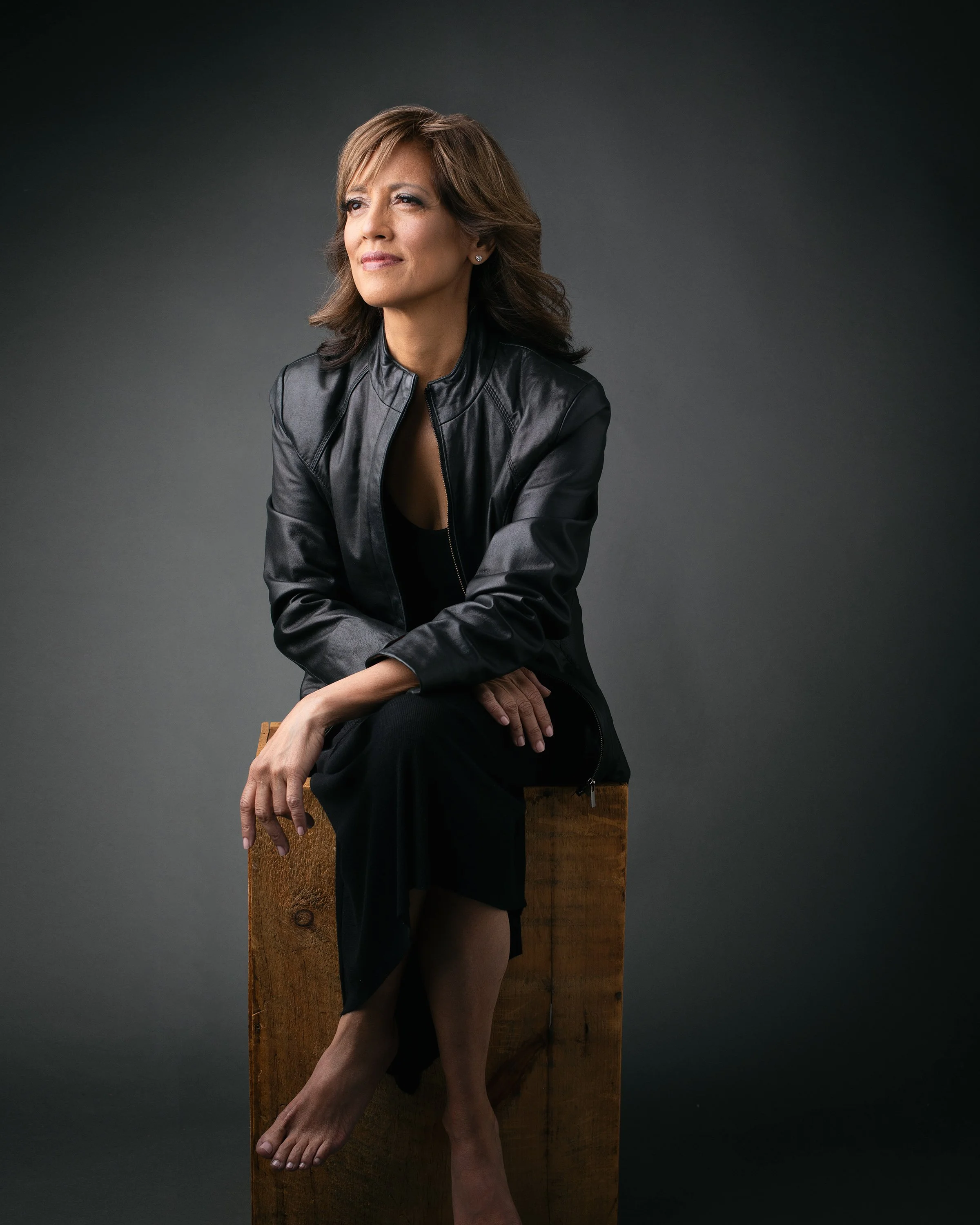
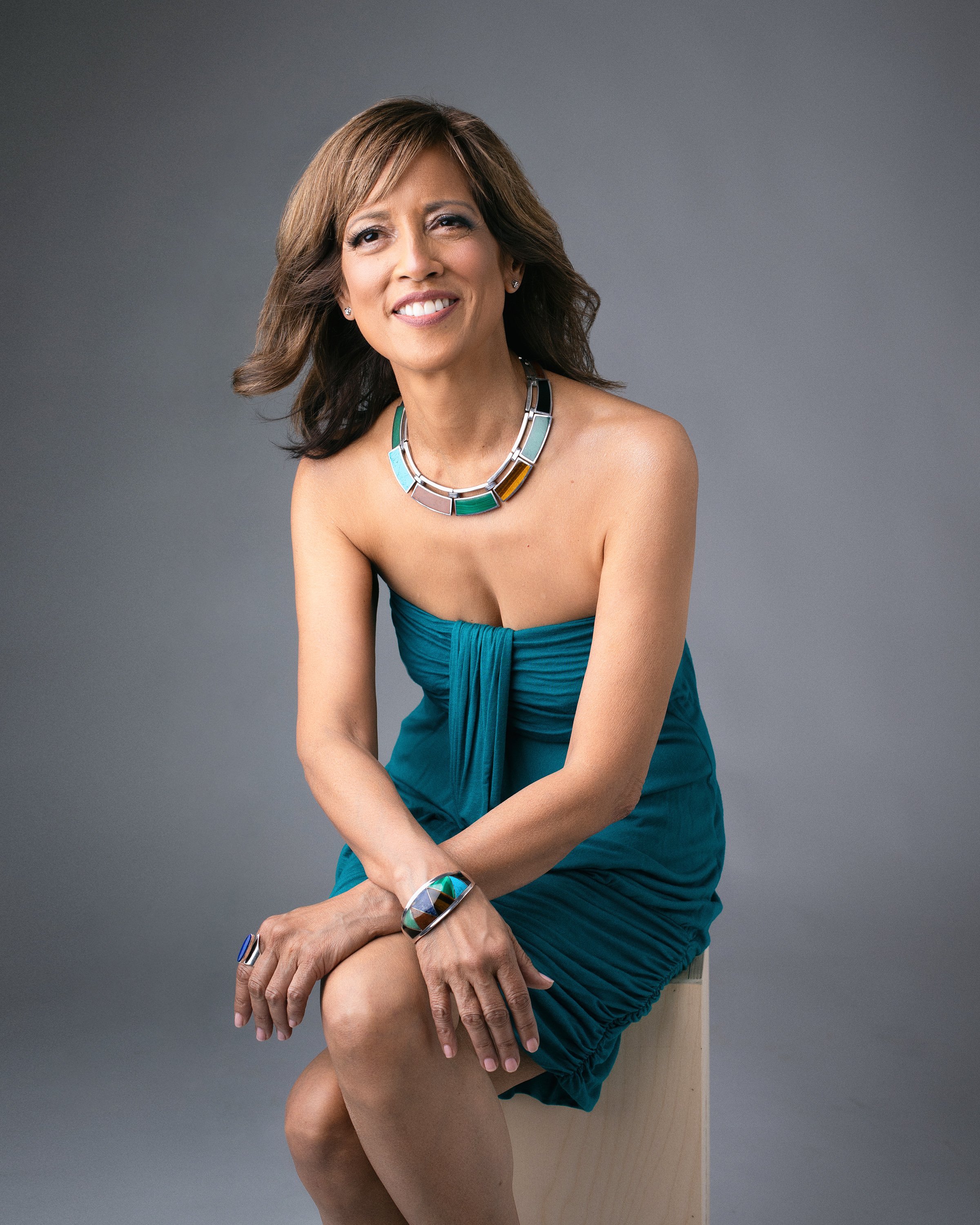
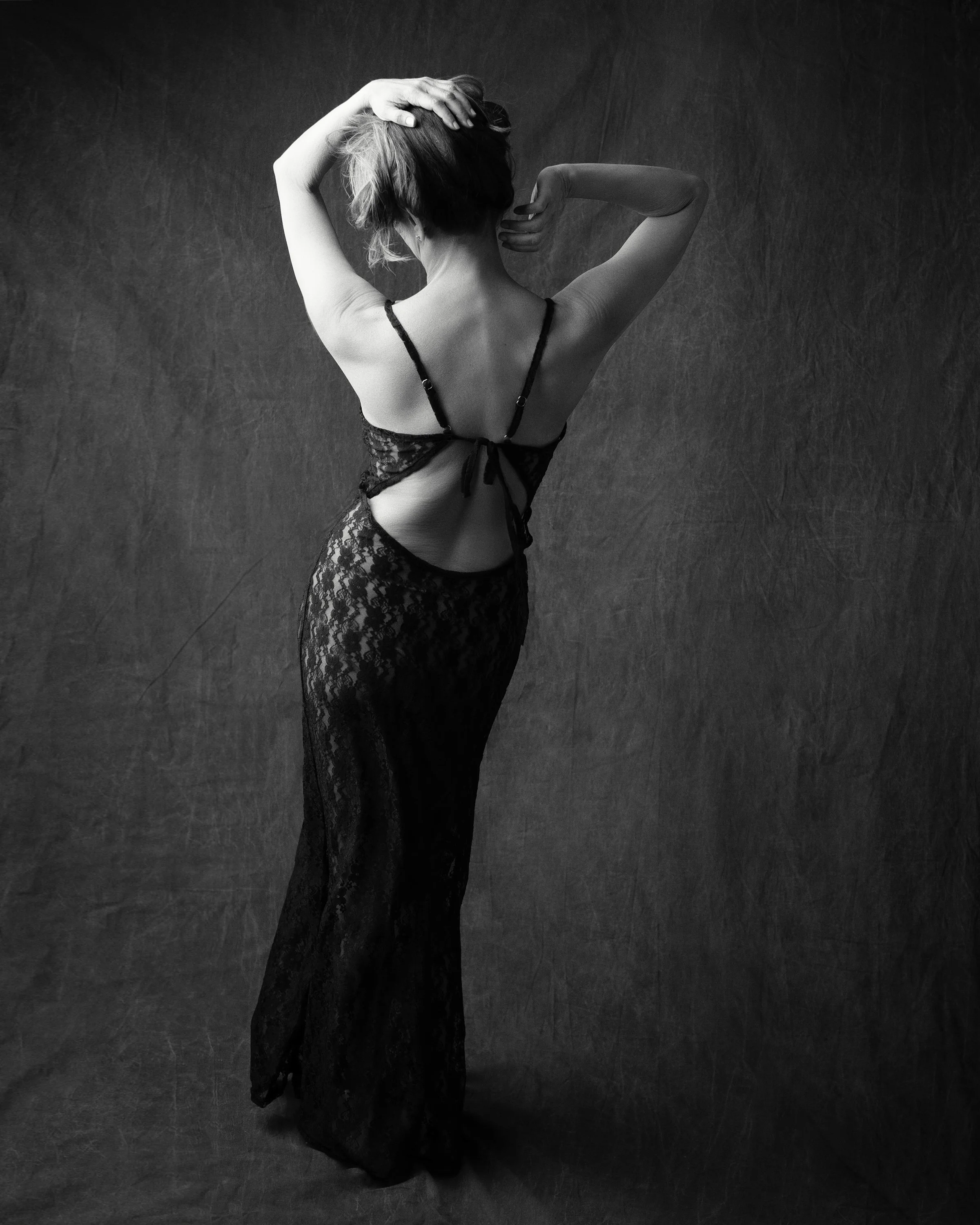
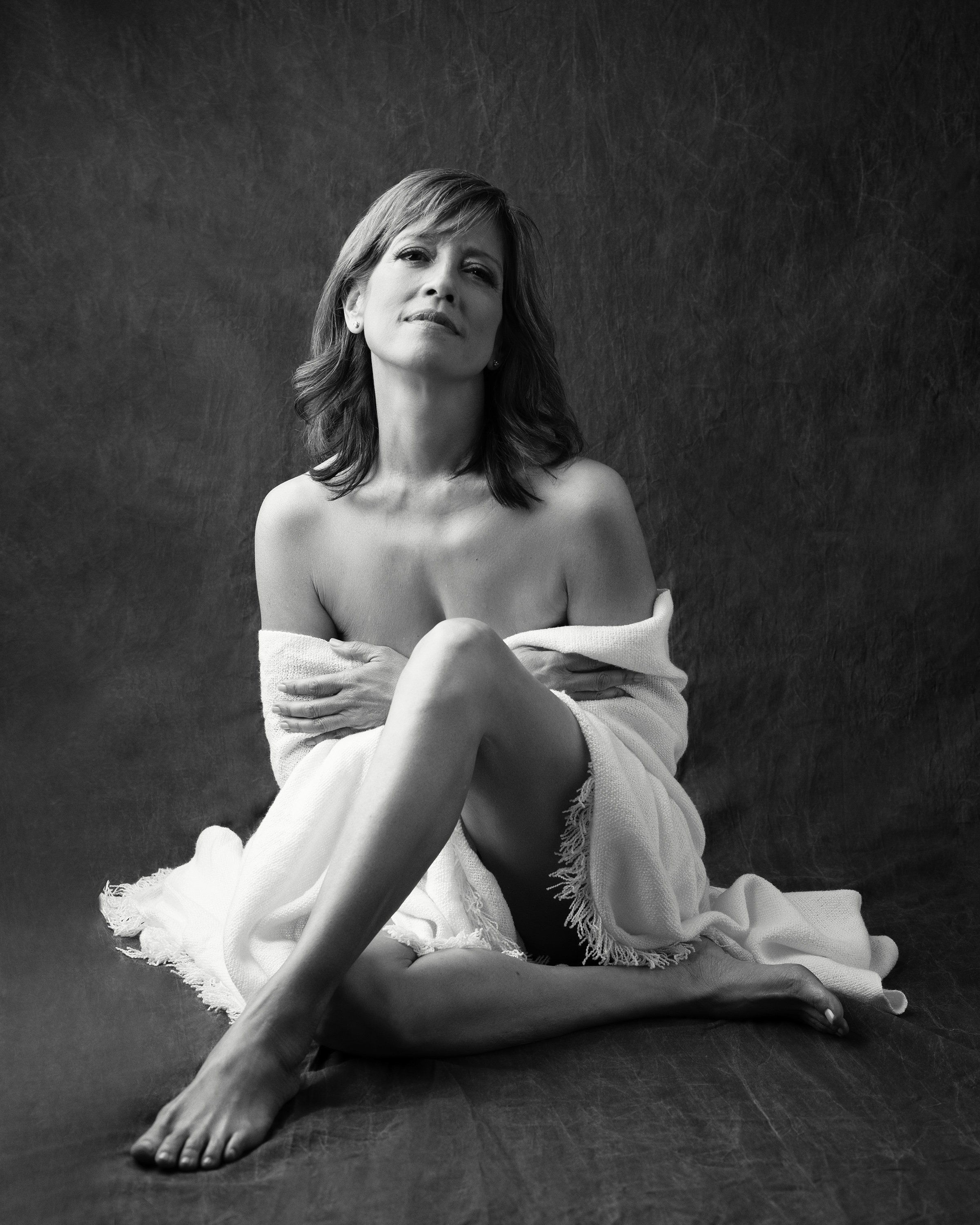
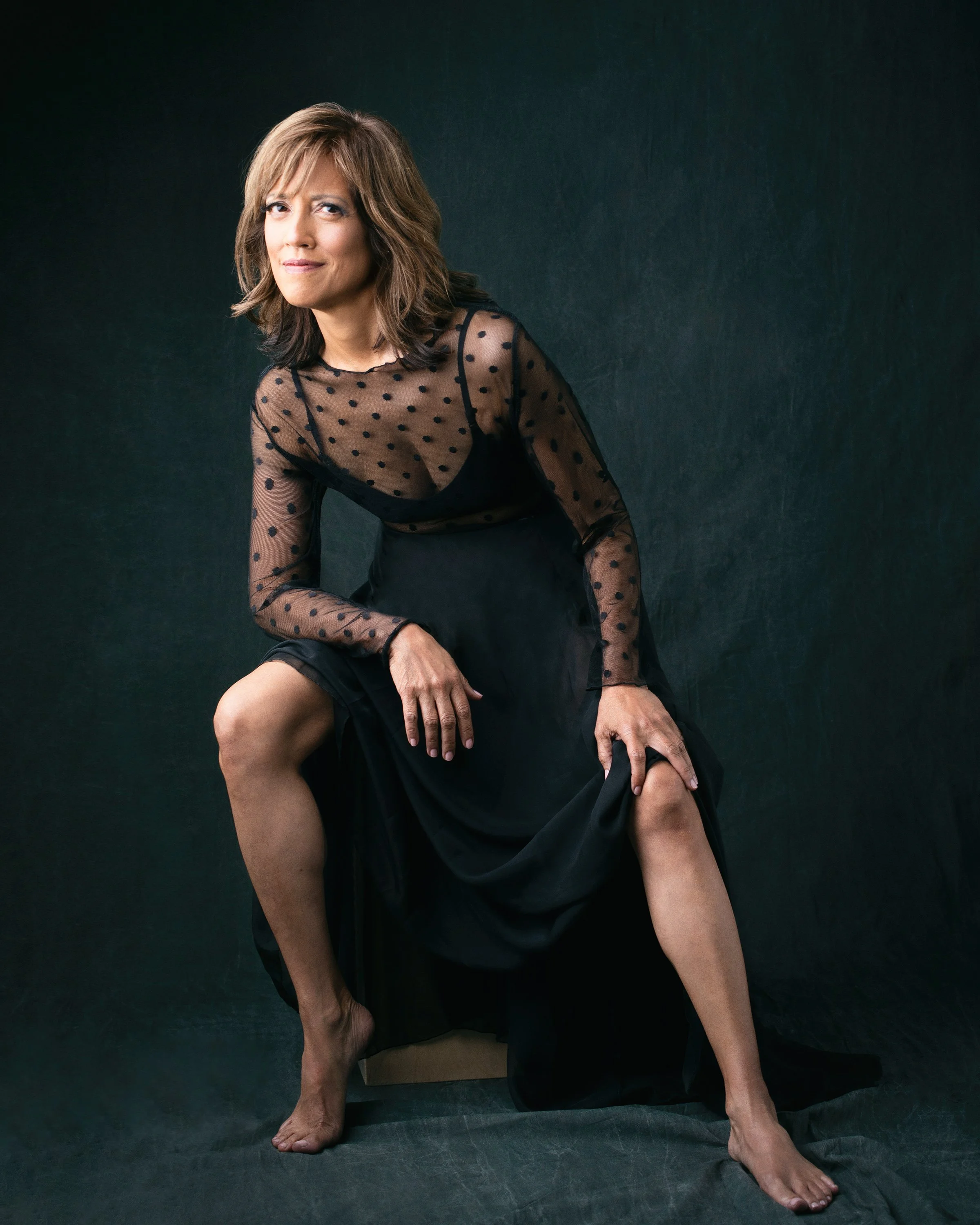
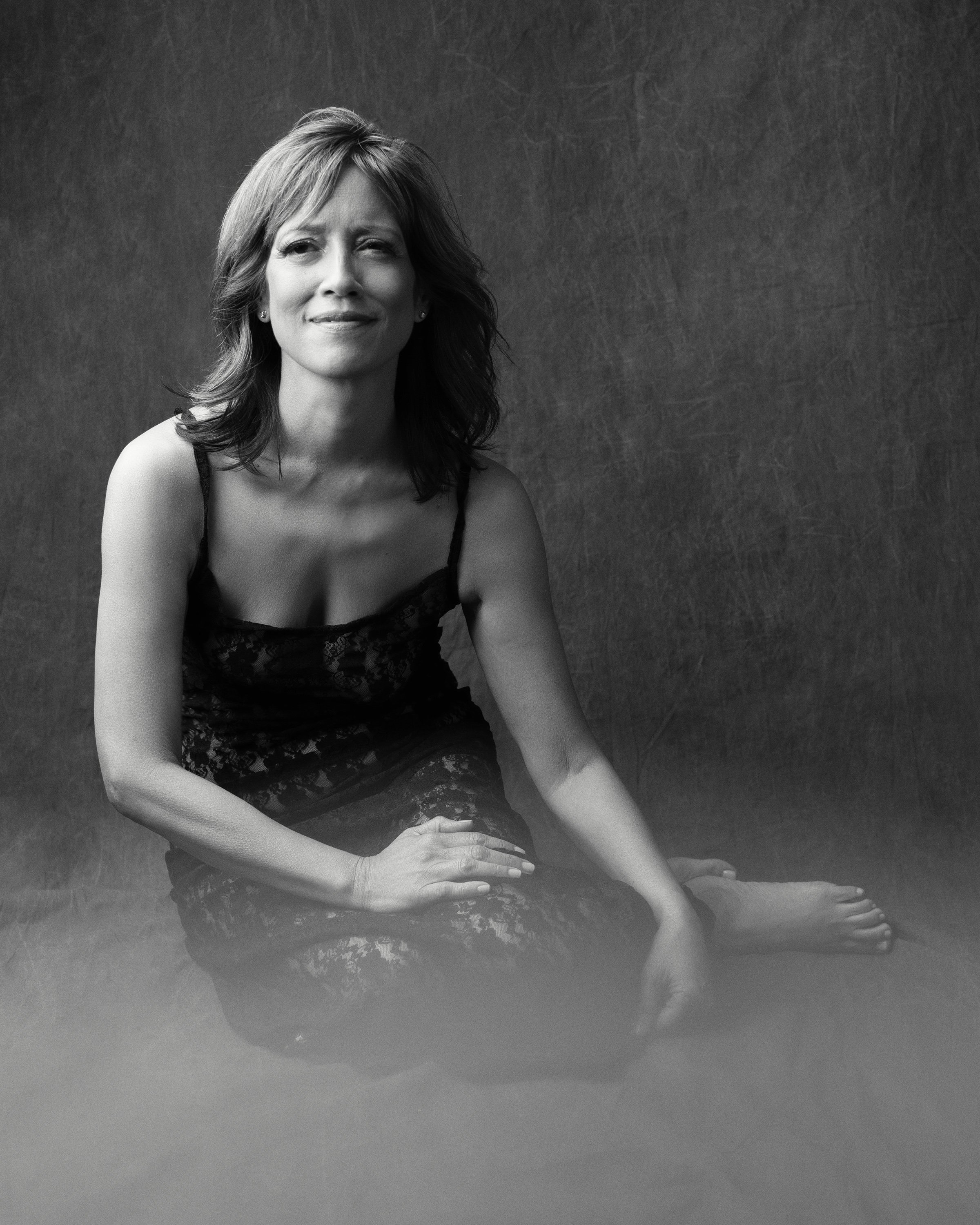
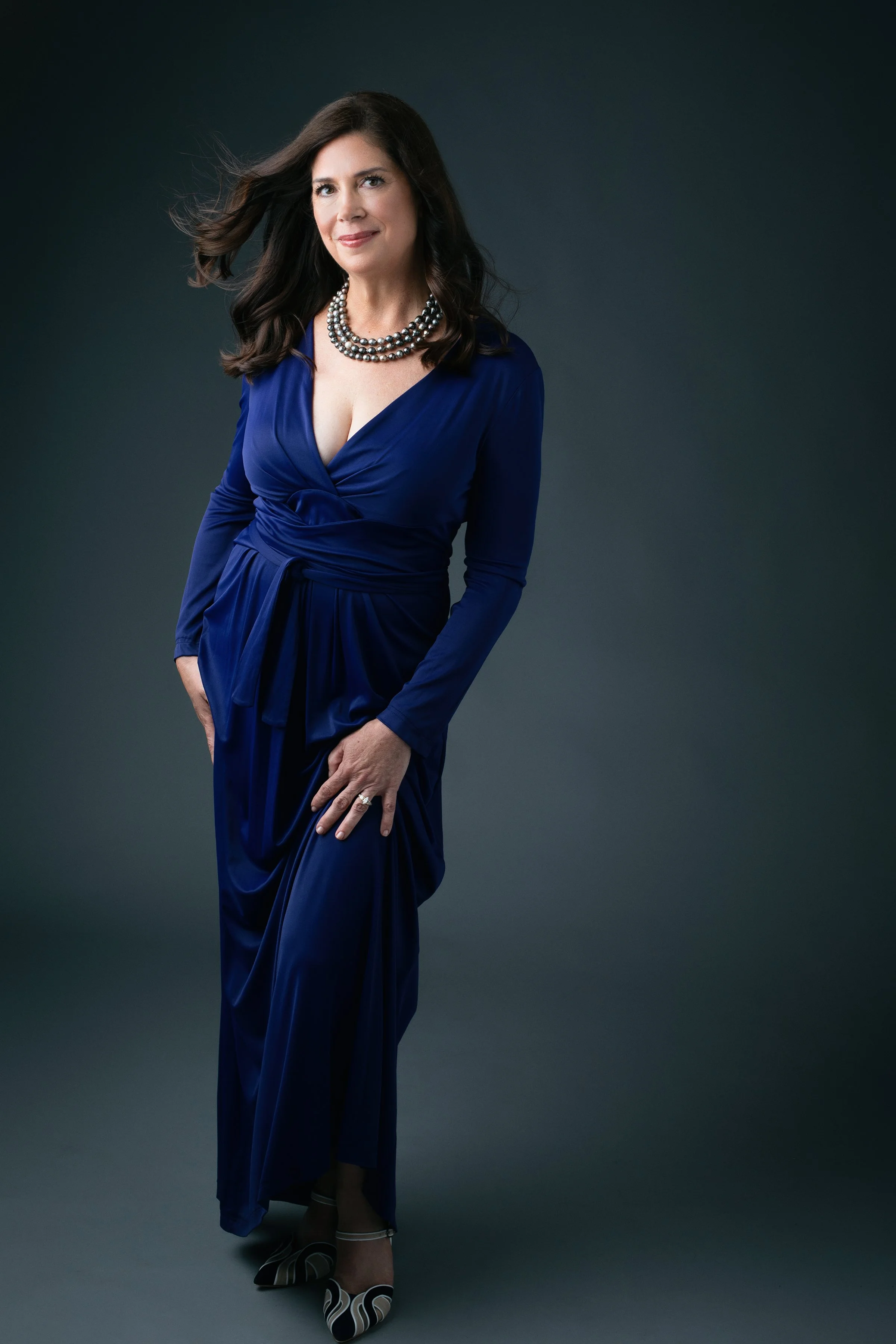
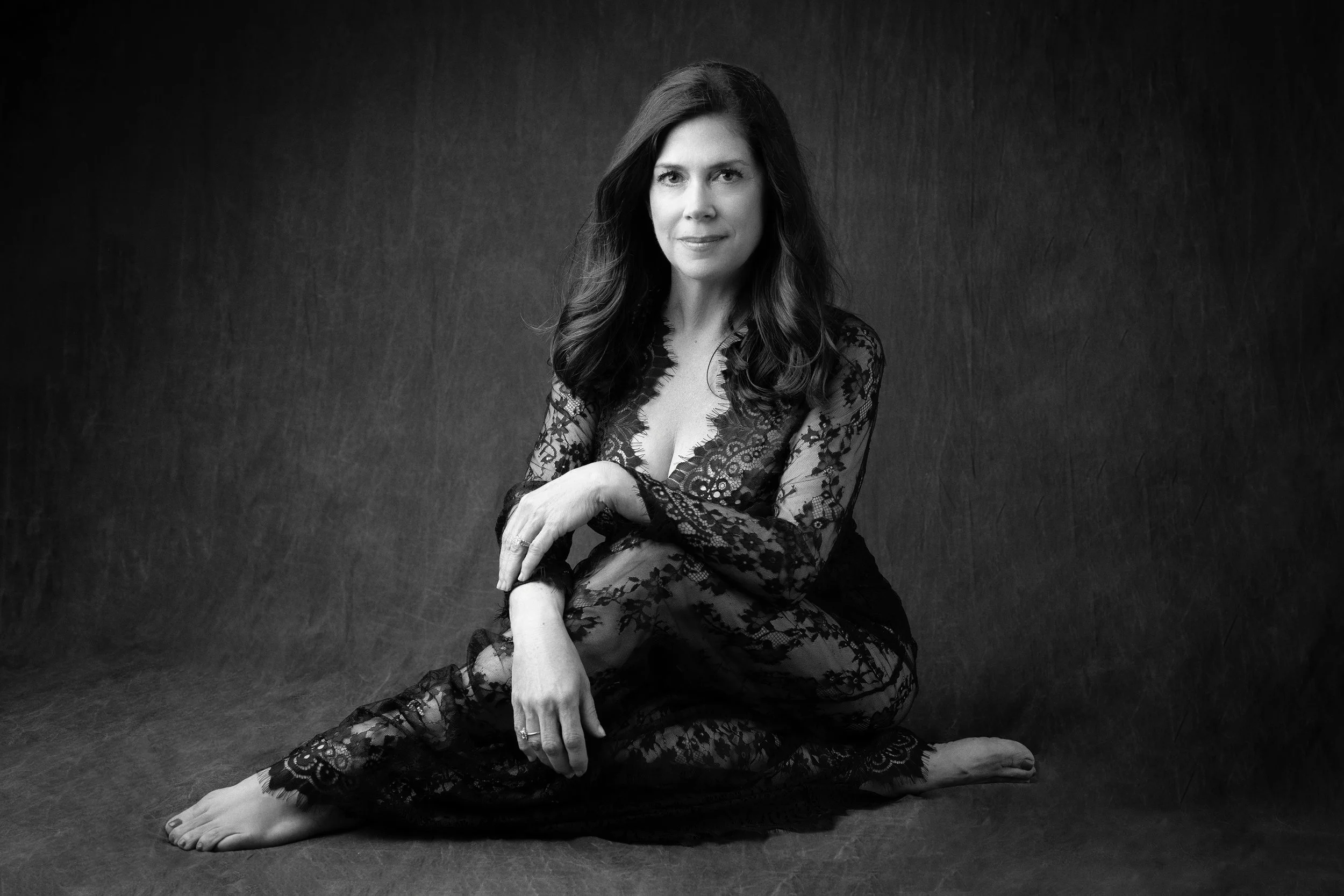
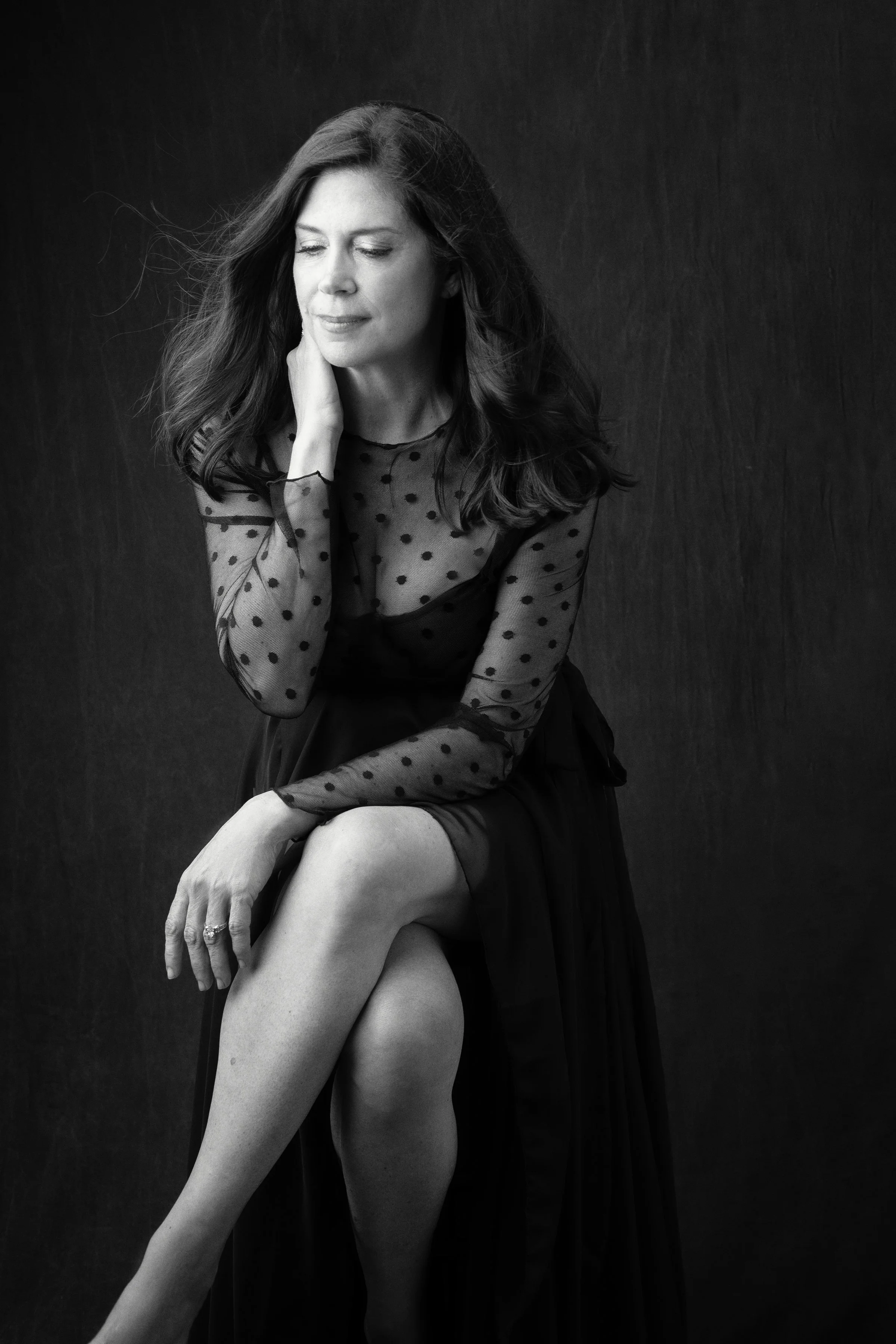
I will show examples of "beyond a headshot" - what can be created when a woman decides to look deeper into who she is. I call it an identity exploration - seeing not only your professional side but also an elegant, luxurious, sexy and a powerful badass.
There is so much to see and admire about yourself. Especially if you've lived a little and know who you are on the inside. We want to bring it out and make you see the beauty and uniqueness of YOU.
(I will be sharing examples of sessions).
This is the sketch of the talk.
There is A LOT to add or take away based on your audience and what actually would be interesting to them.
before & AFTER examples
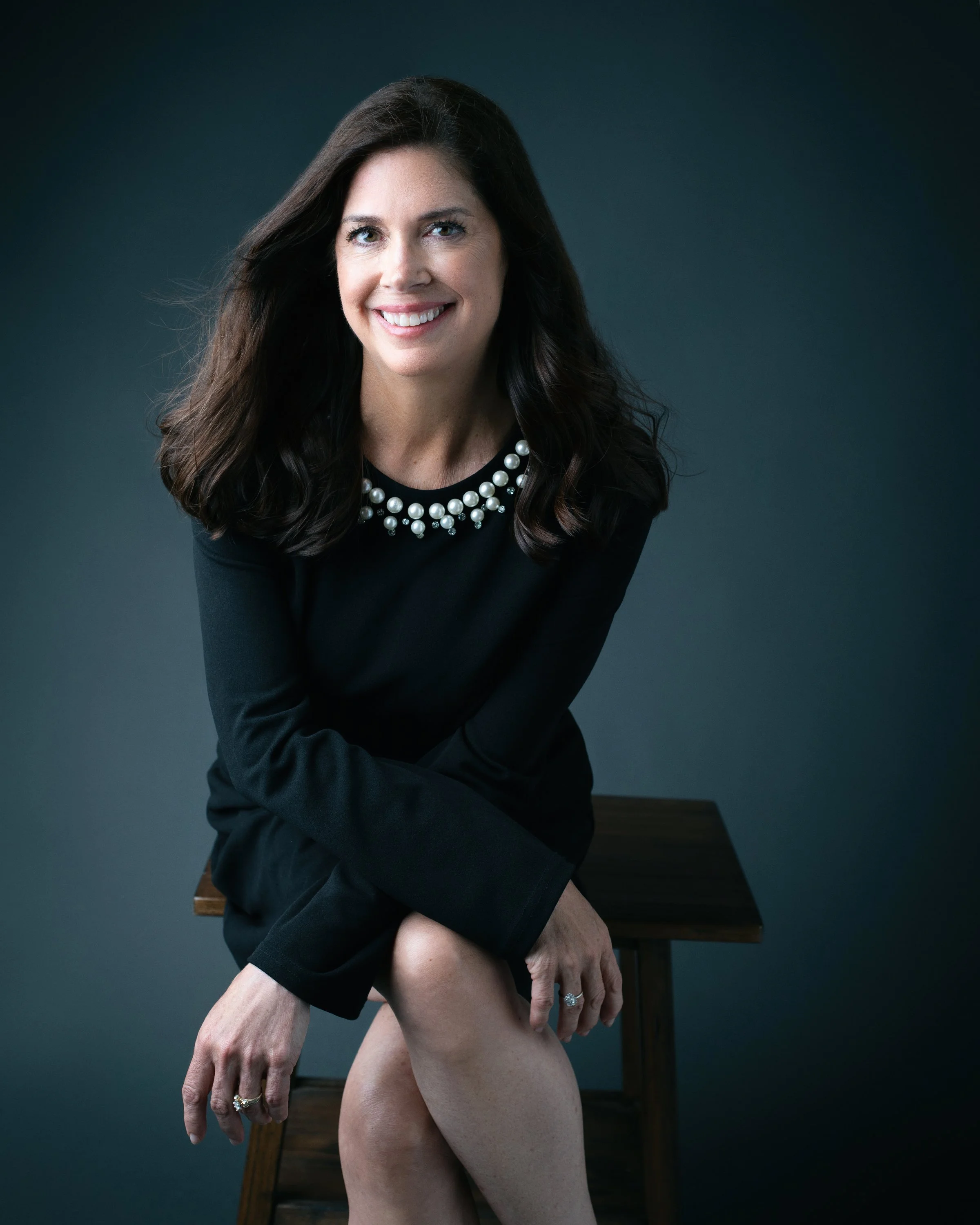
This is to simply show how makeup and hair styling, proper lighting and guidance make a difference.
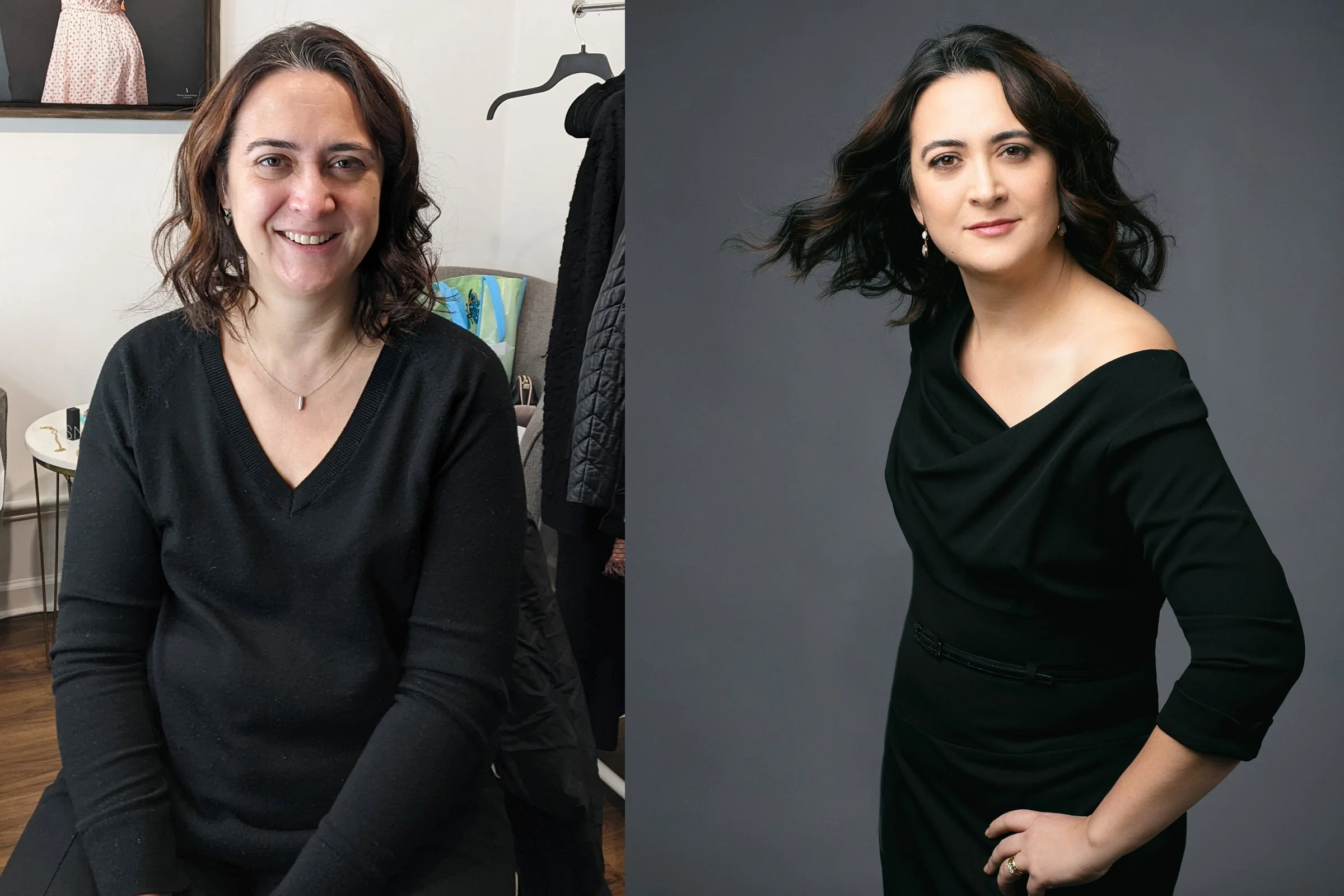
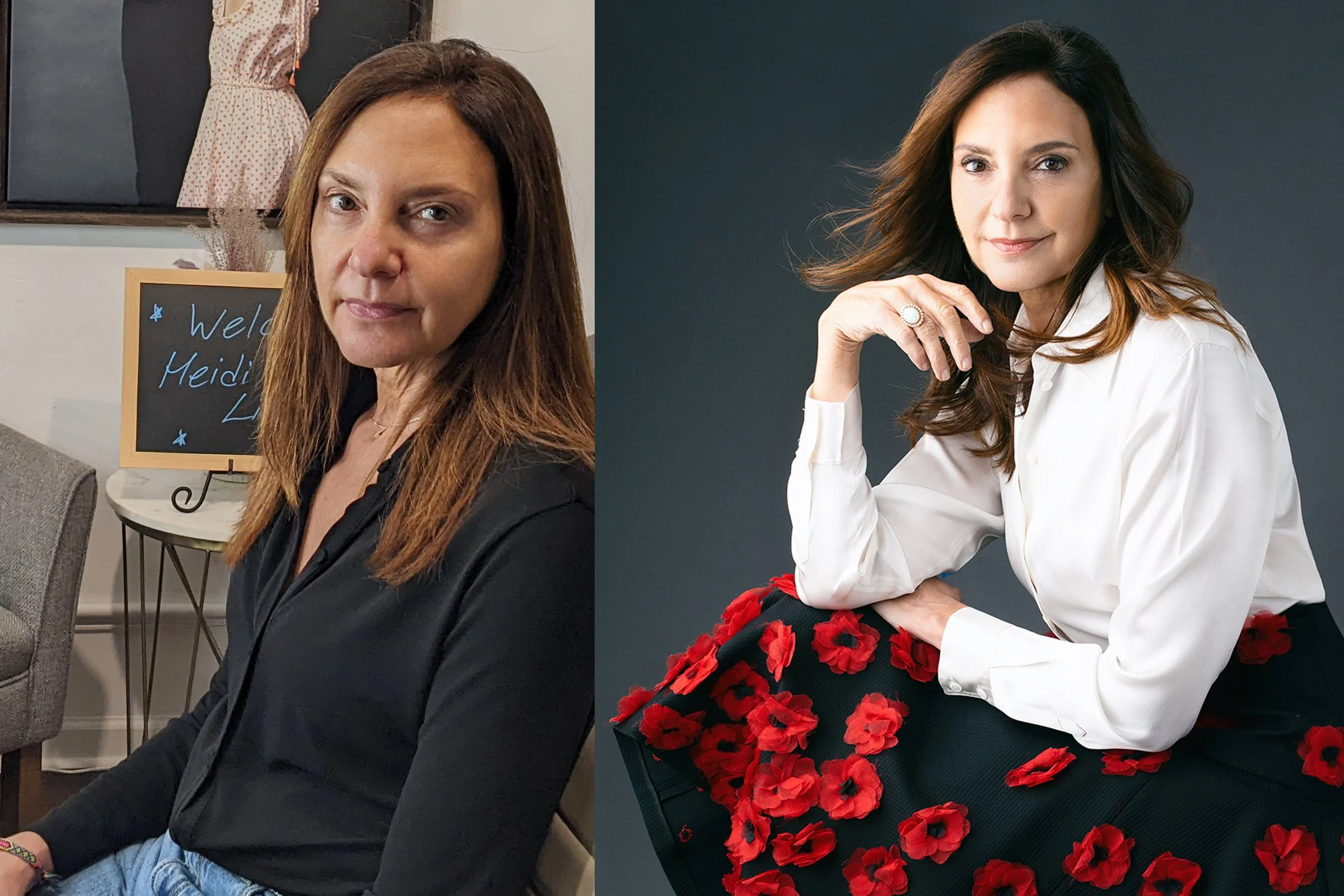
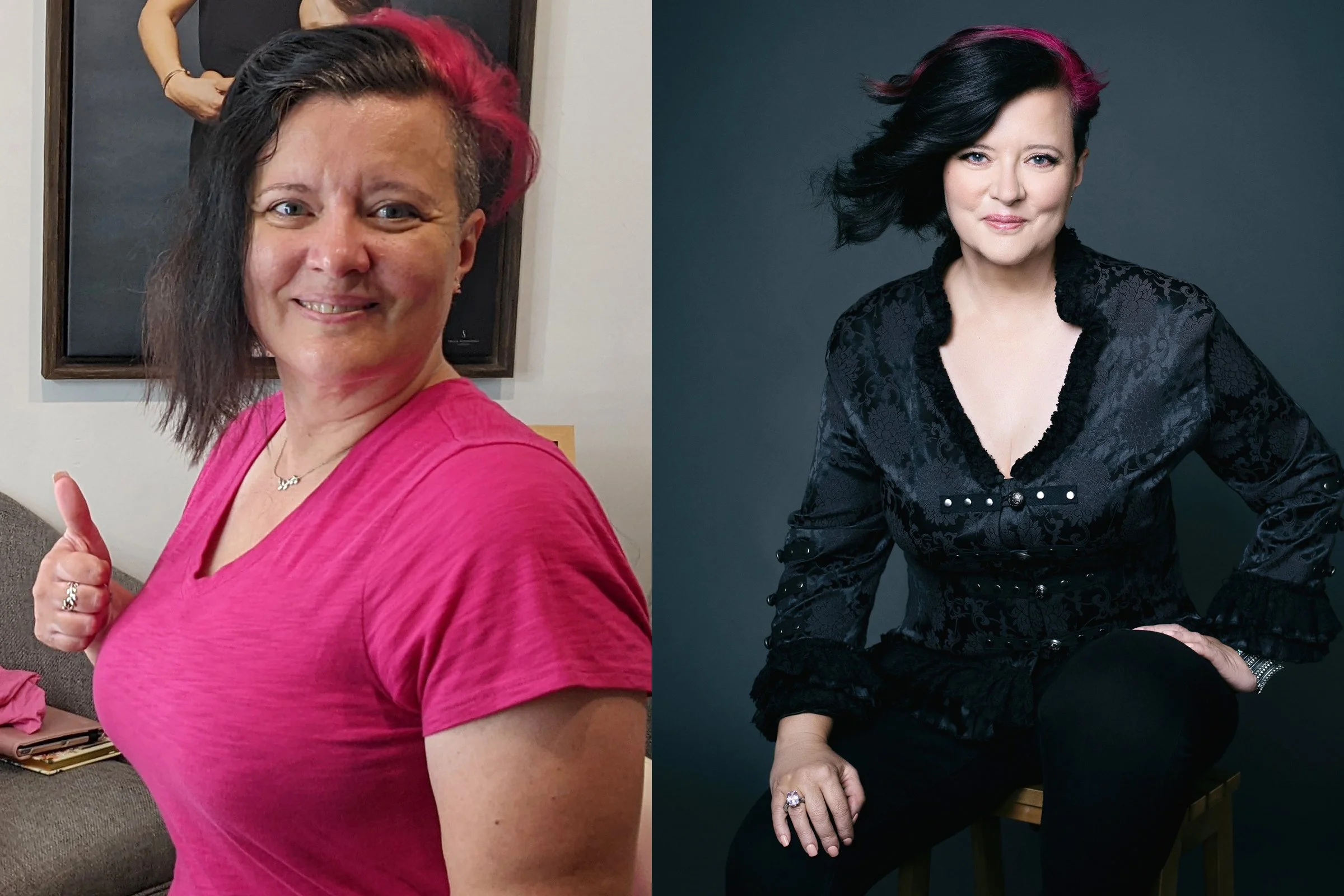
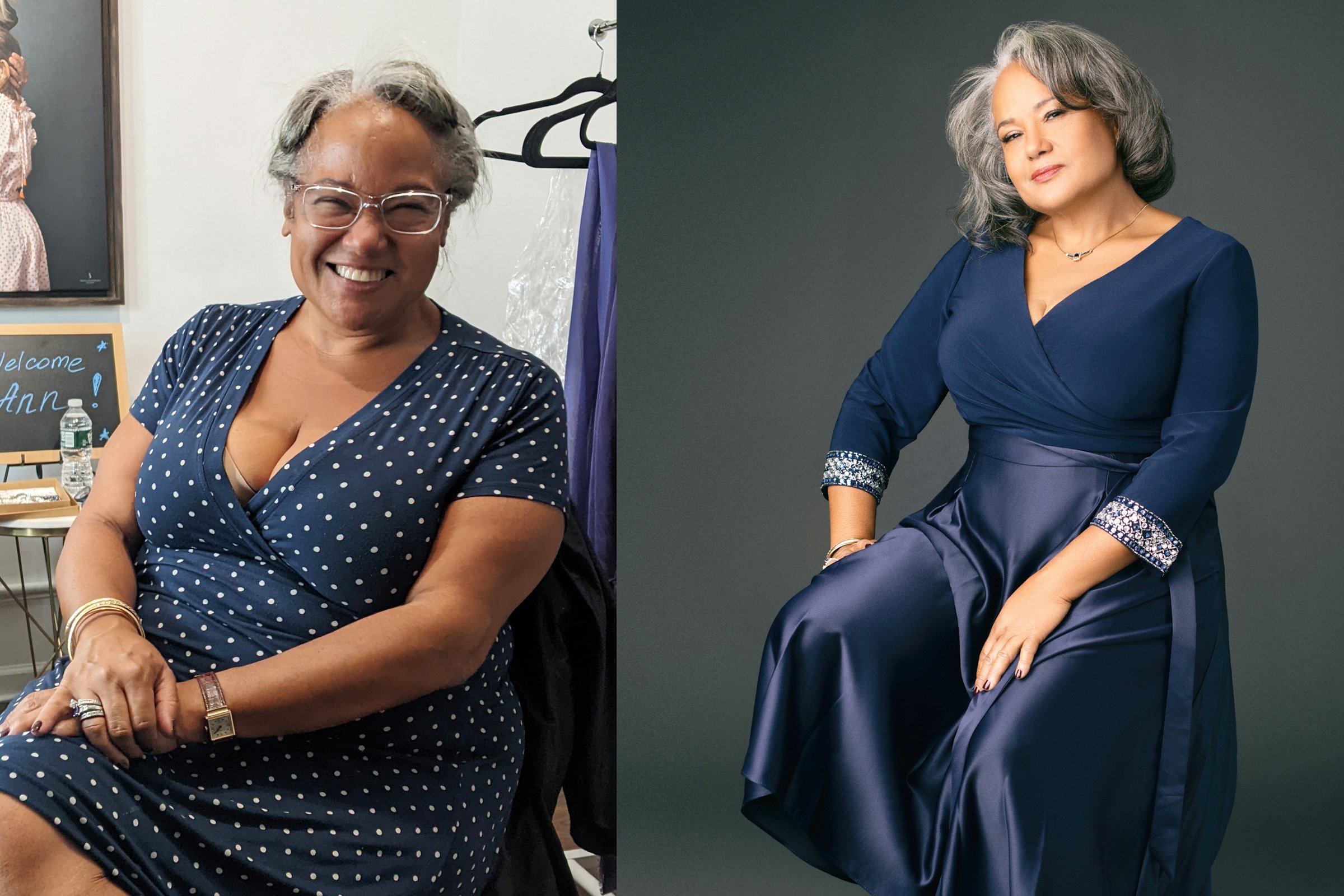
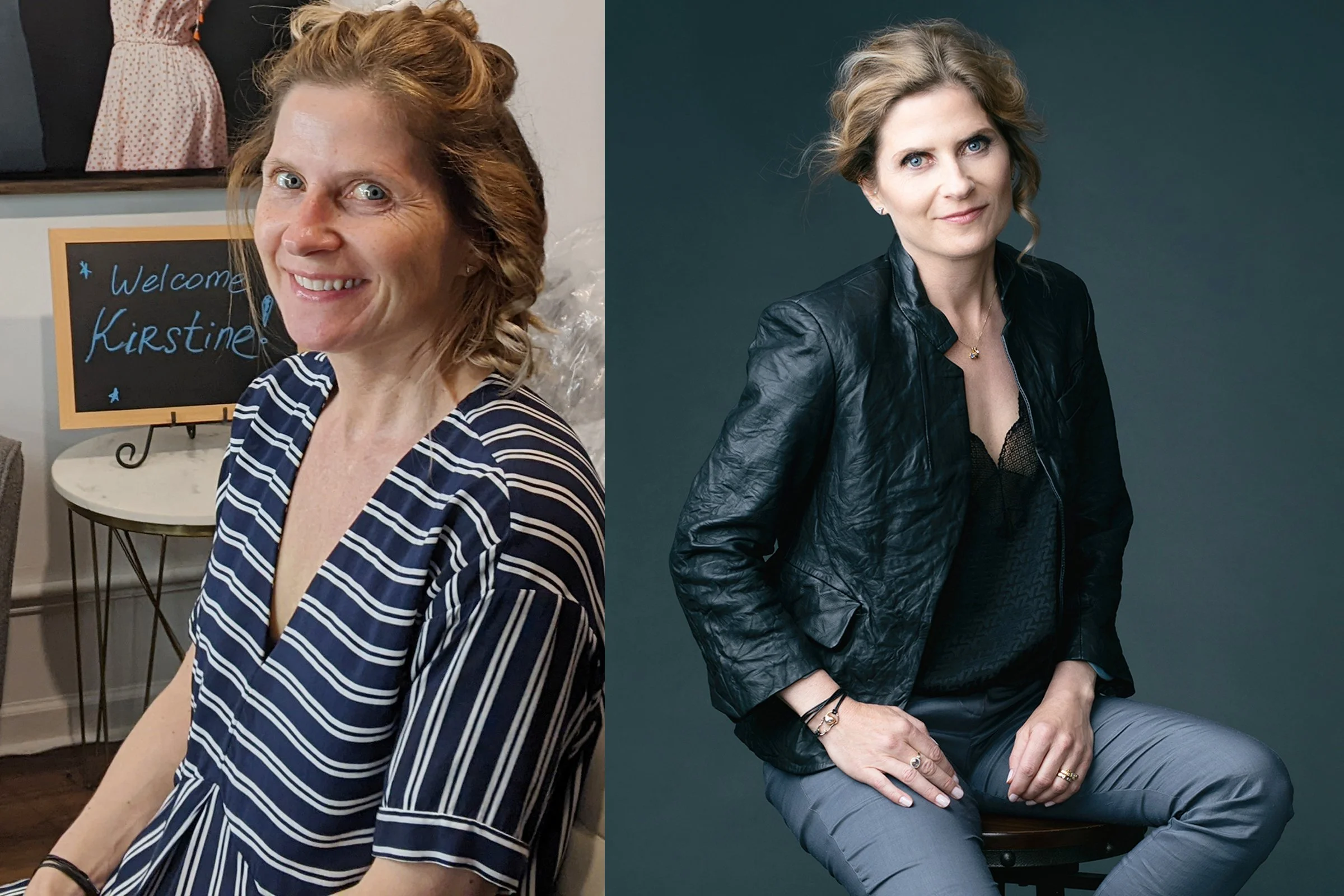
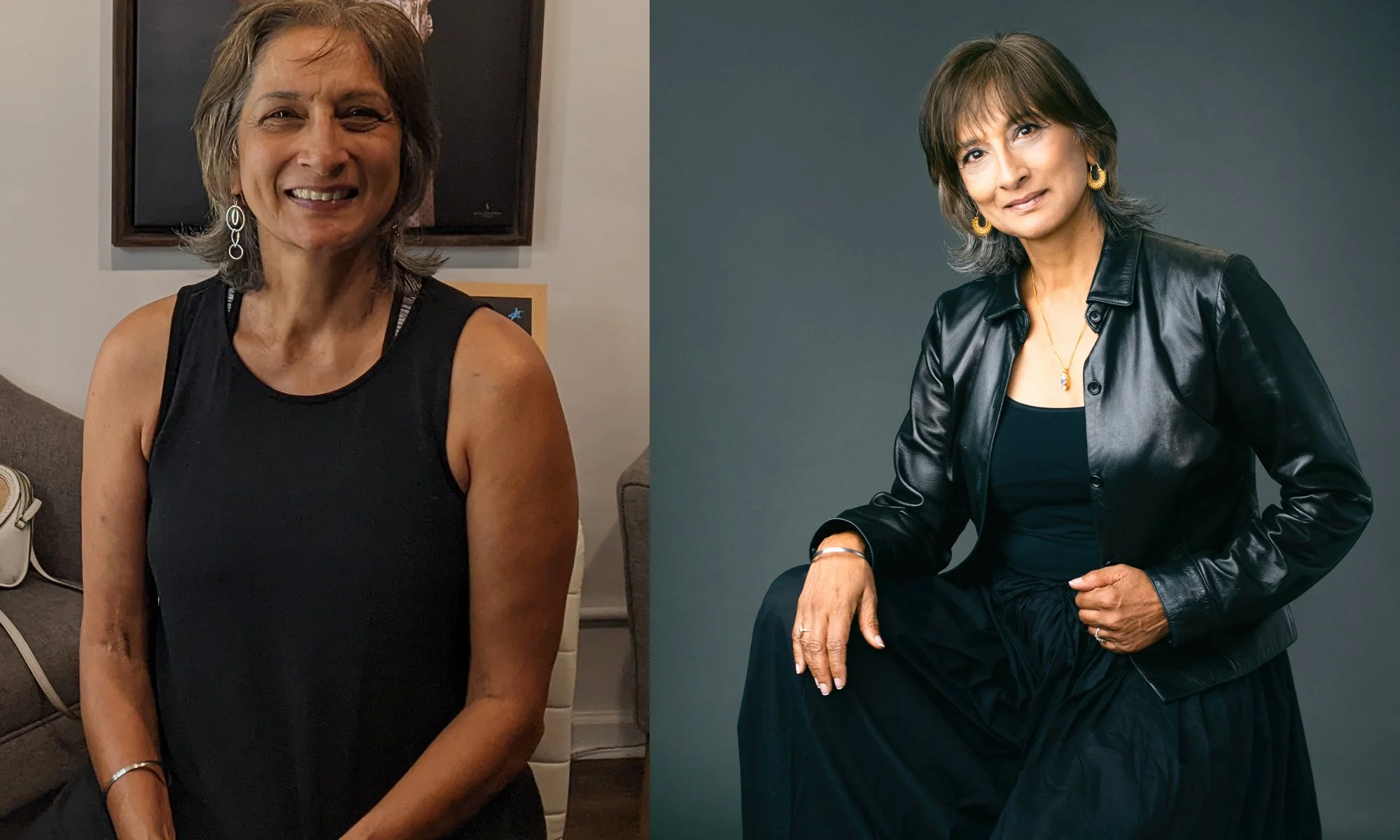
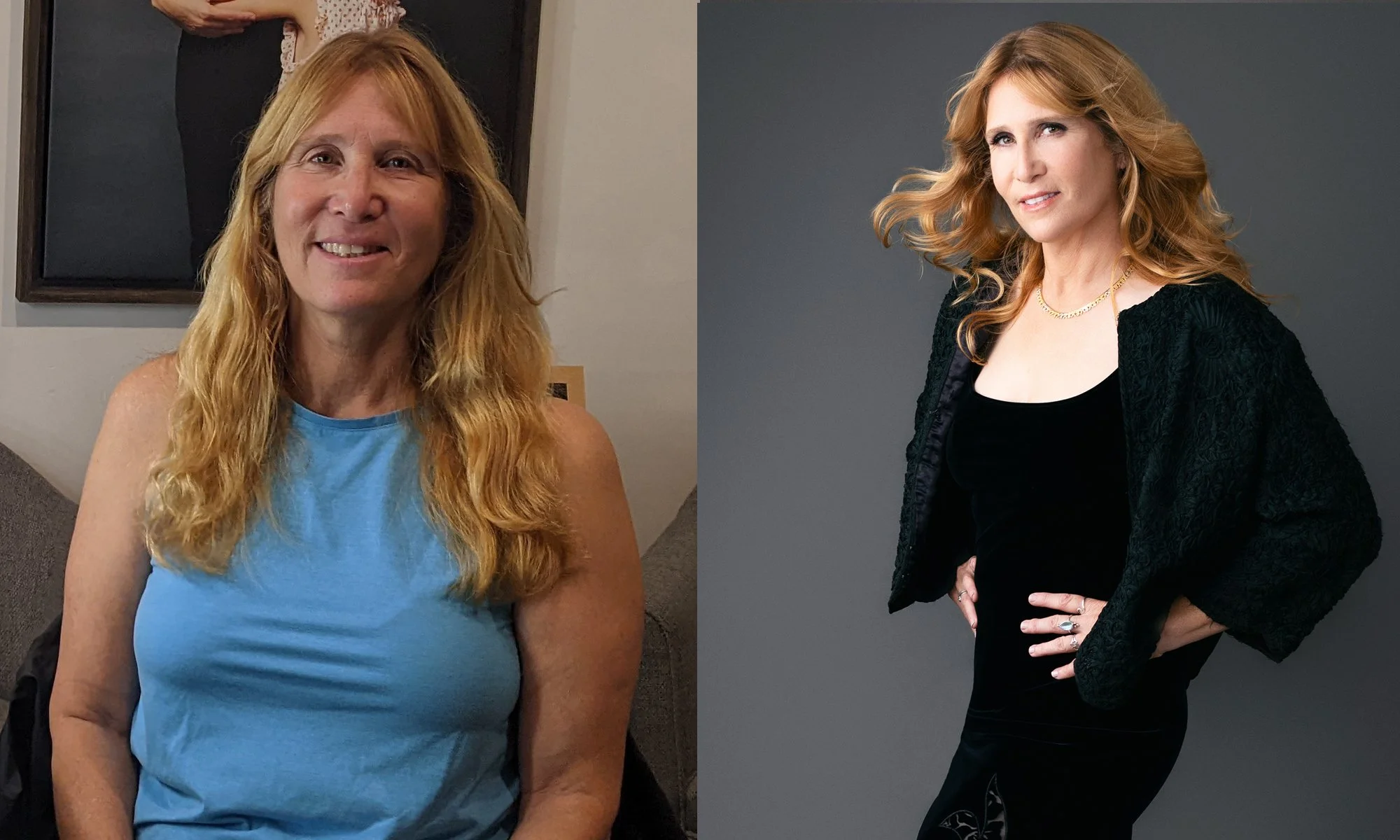
Corporate headshot can produce less corporate looks
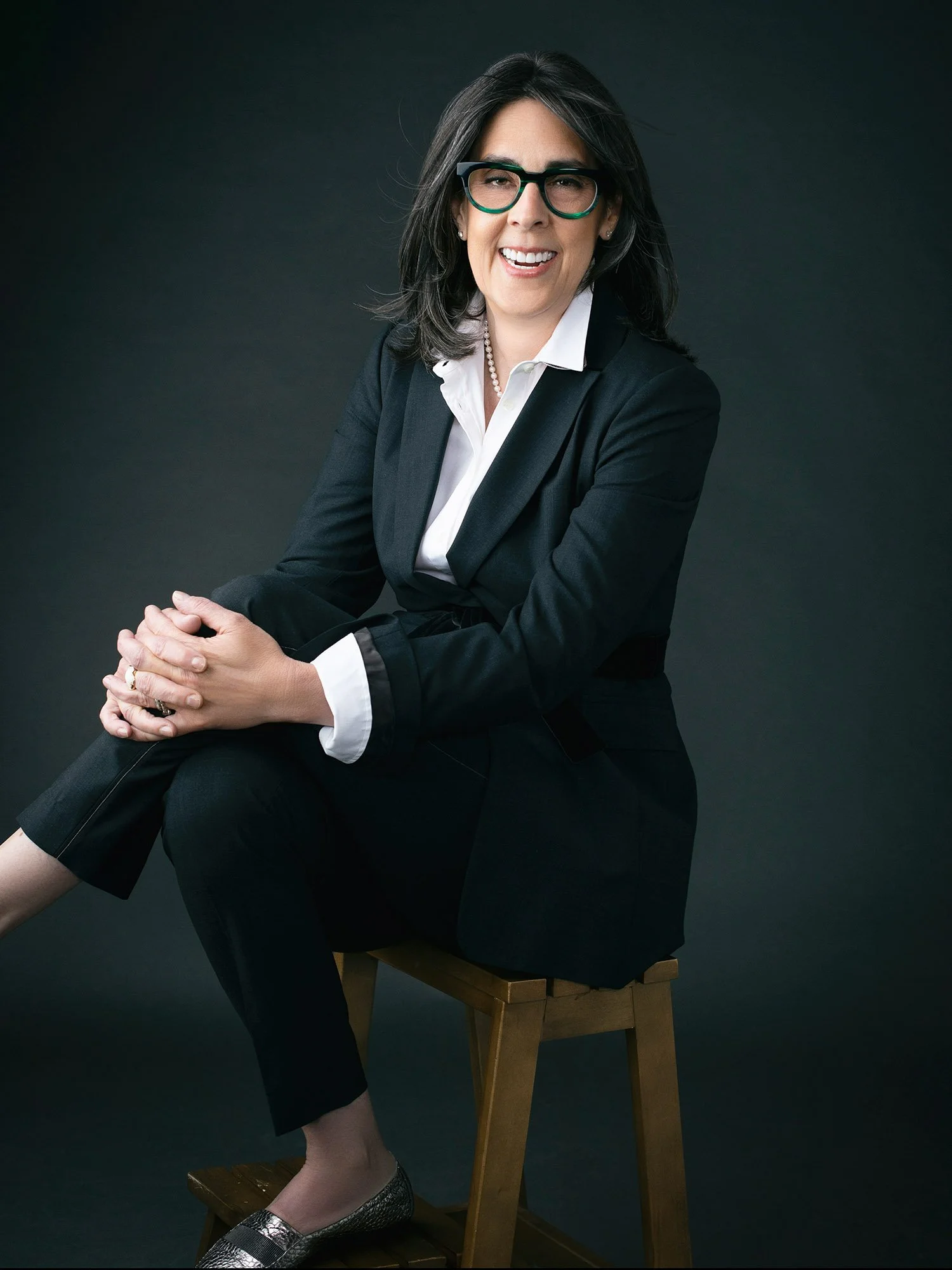
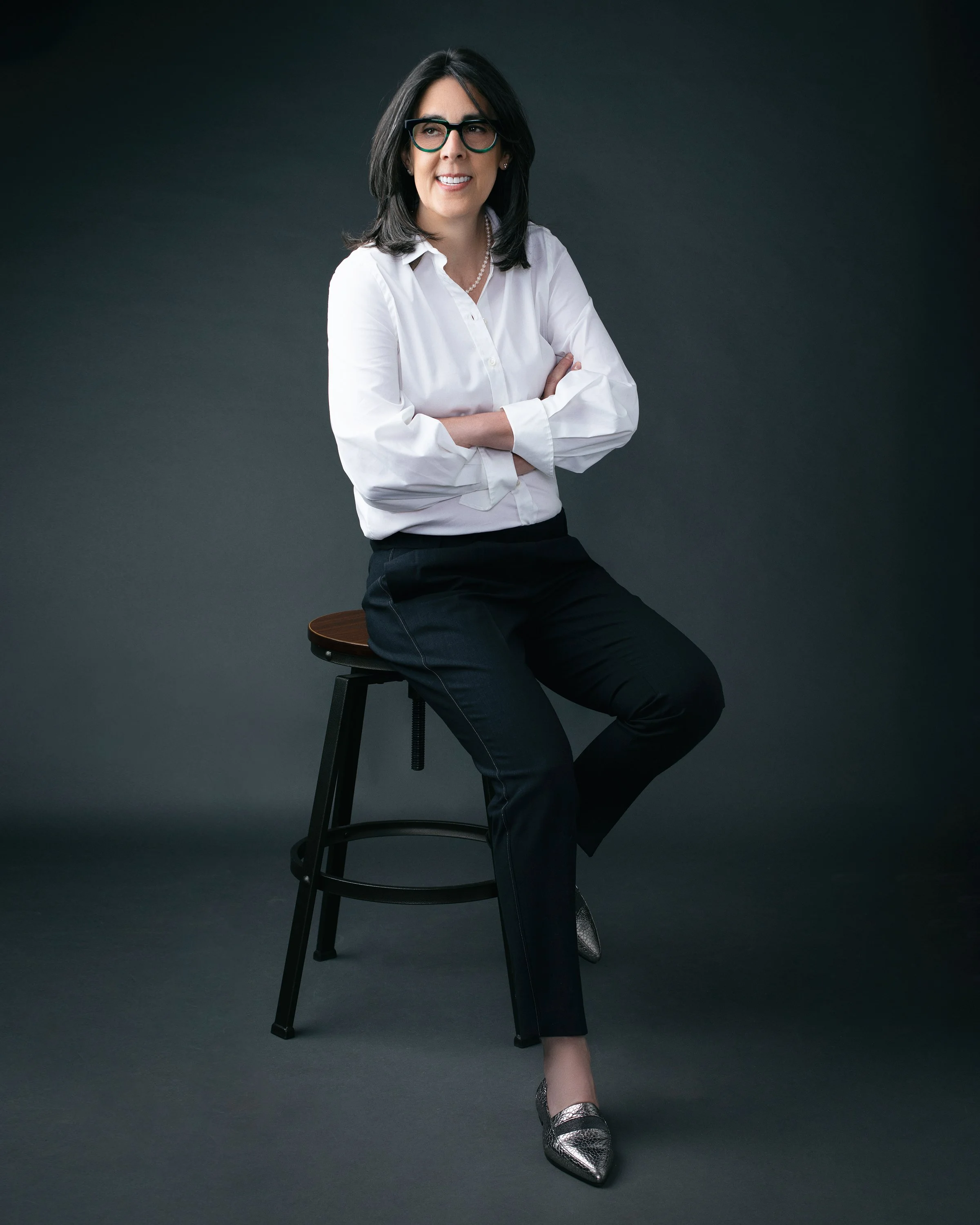

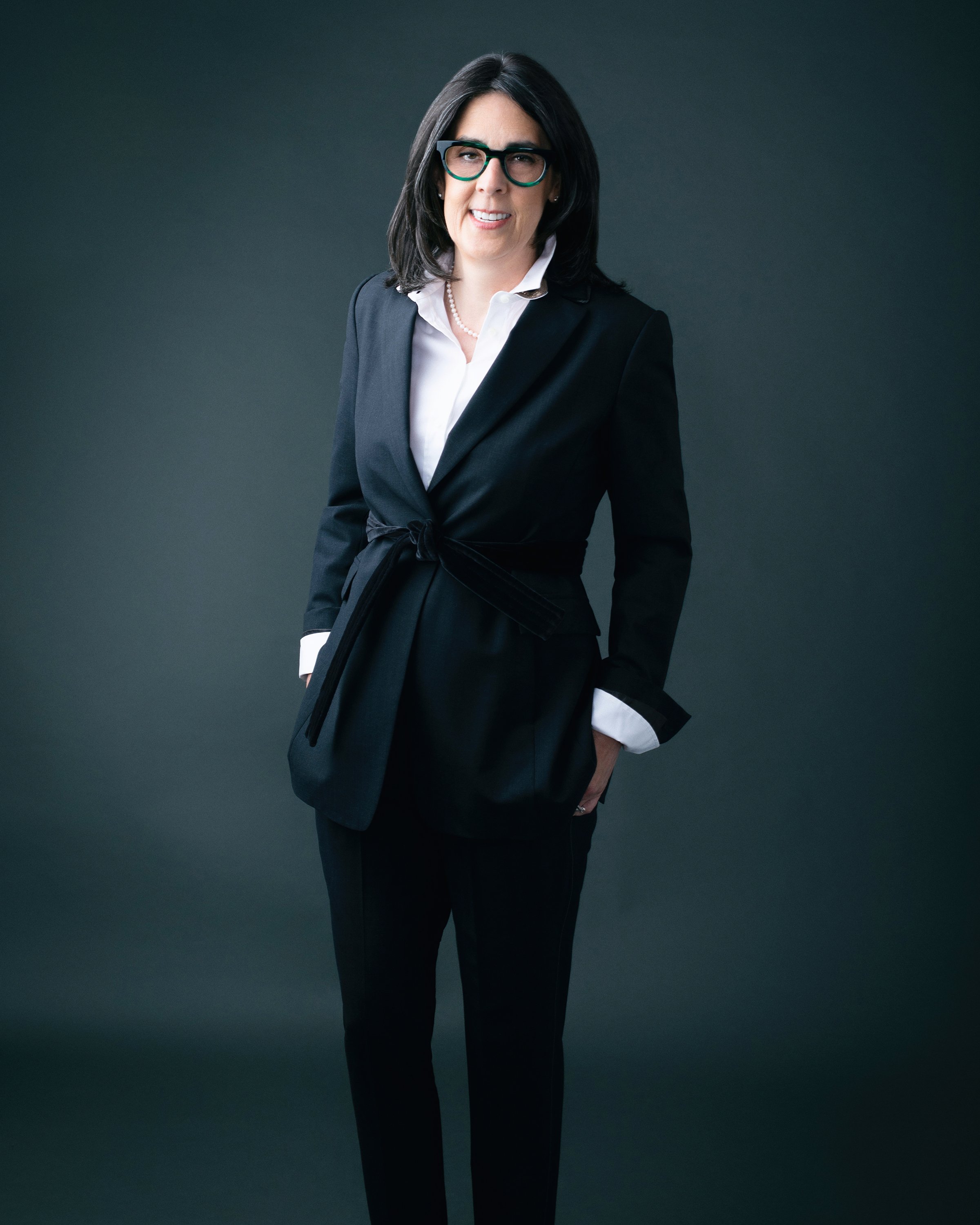

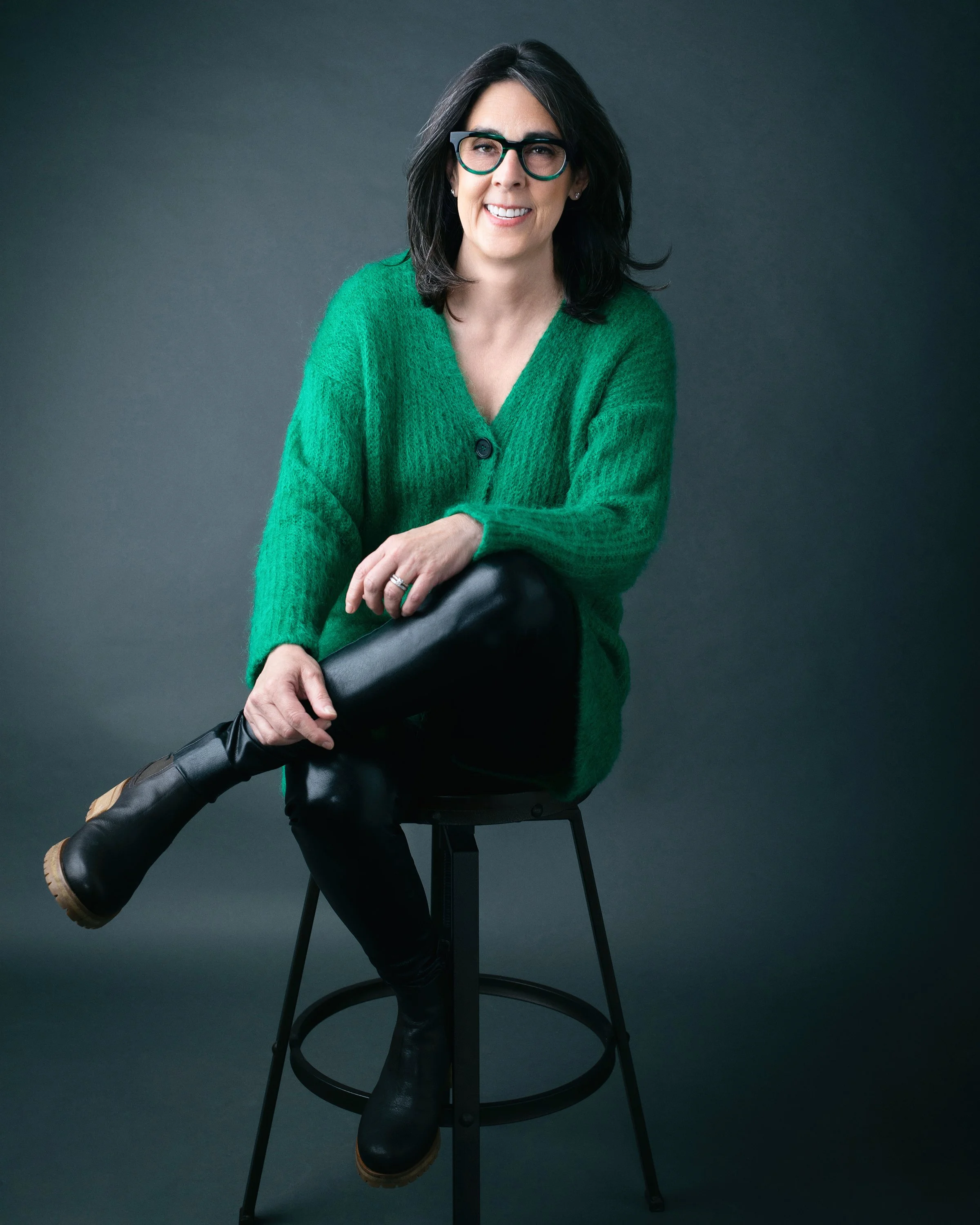
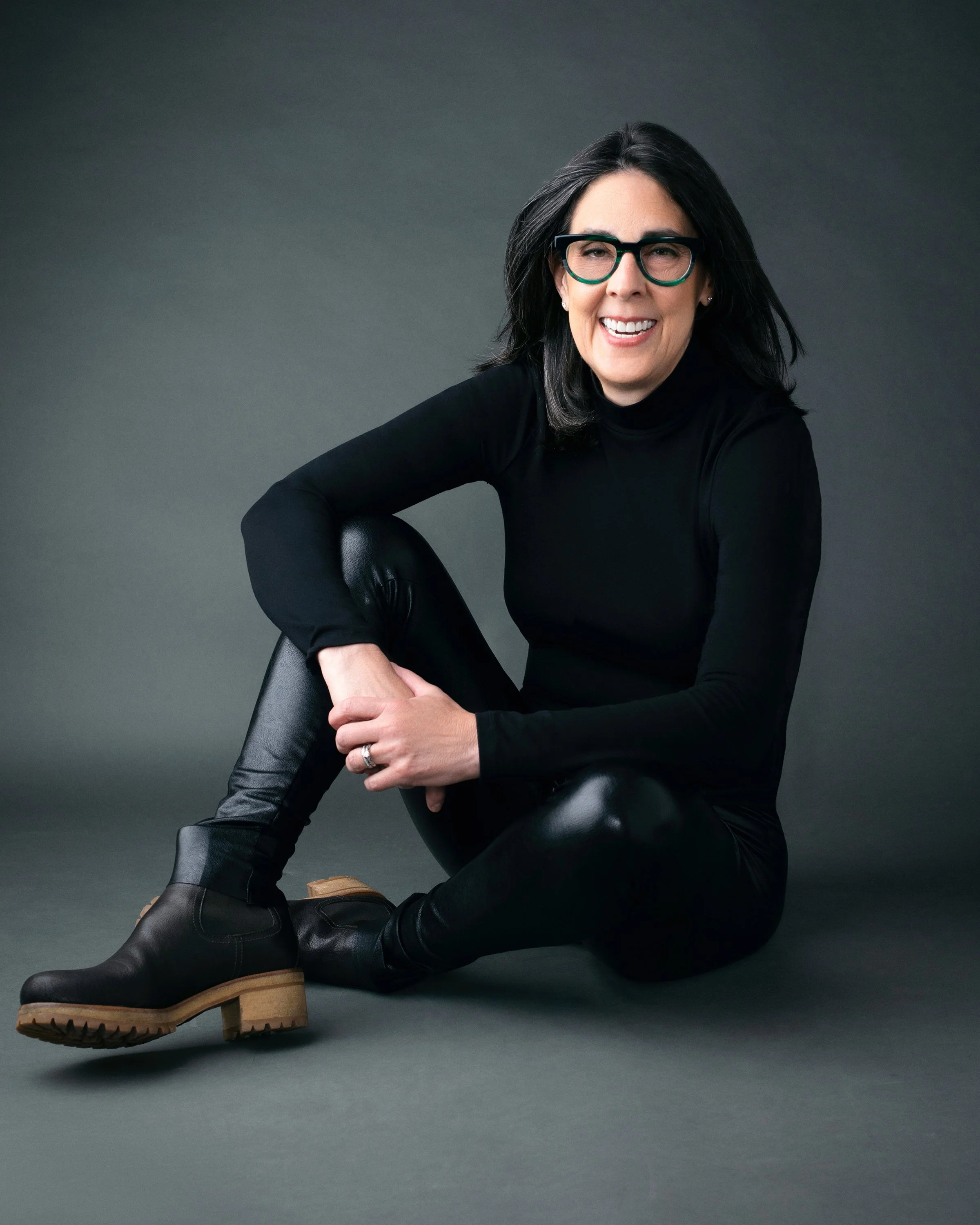
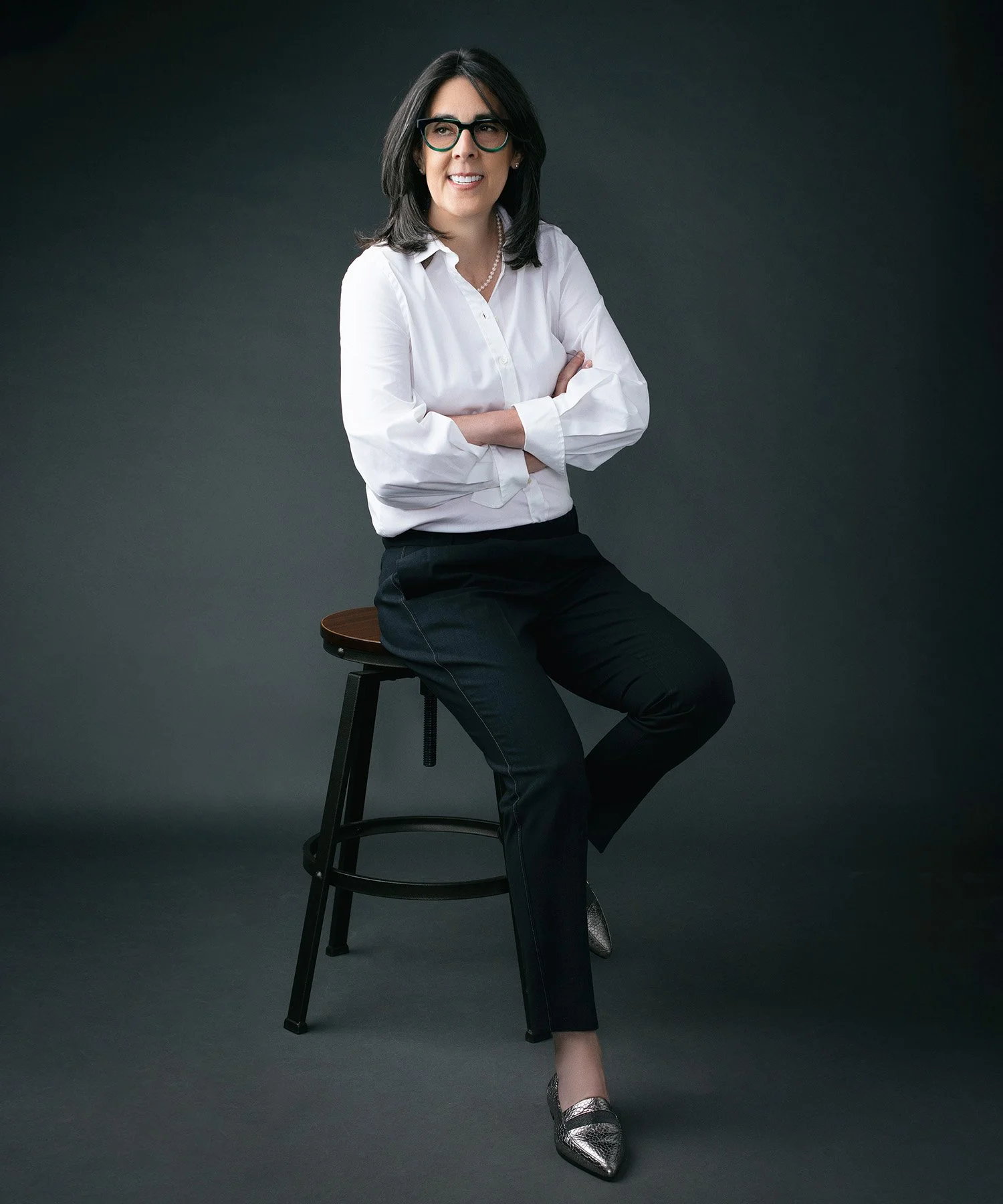
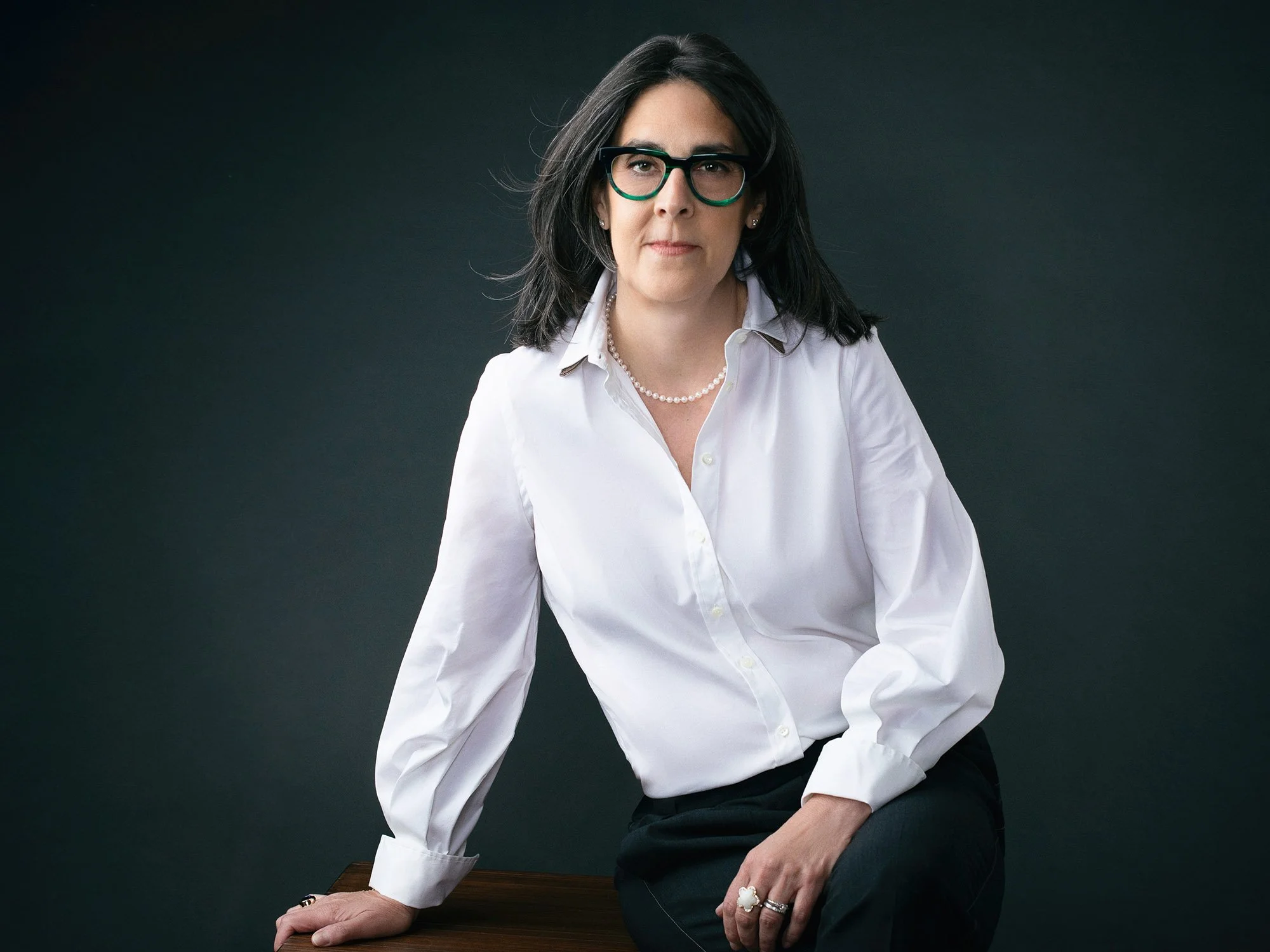
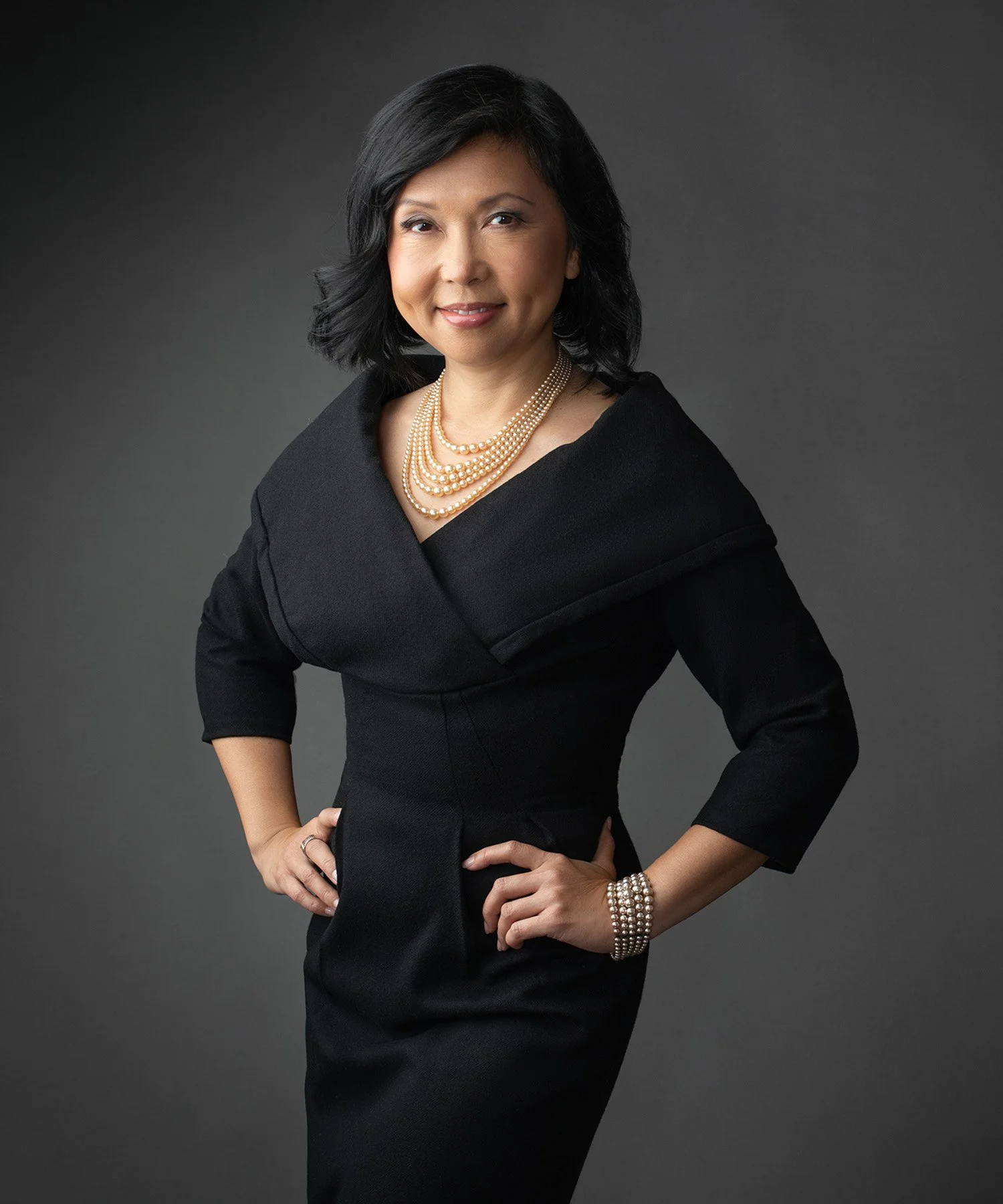
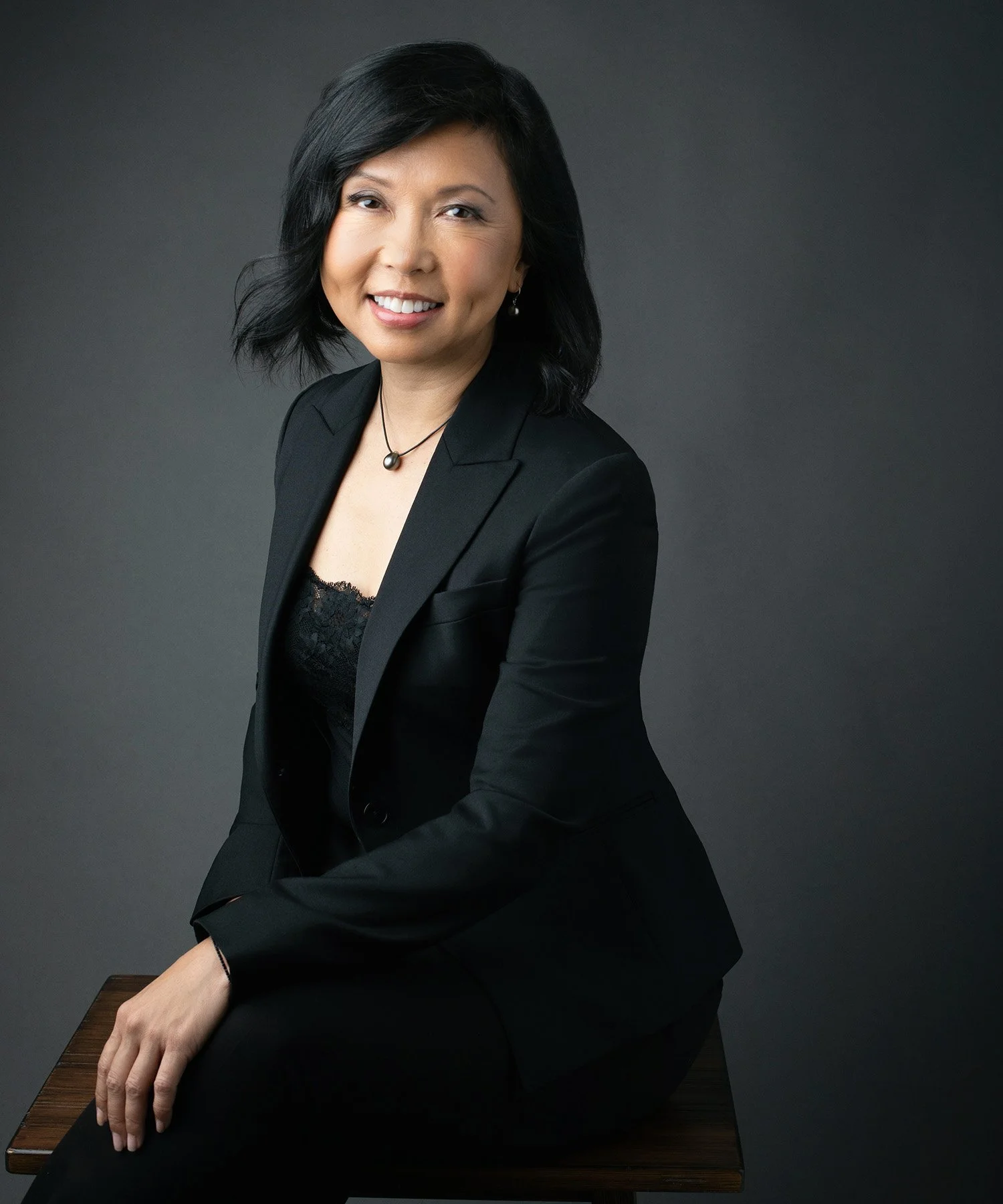
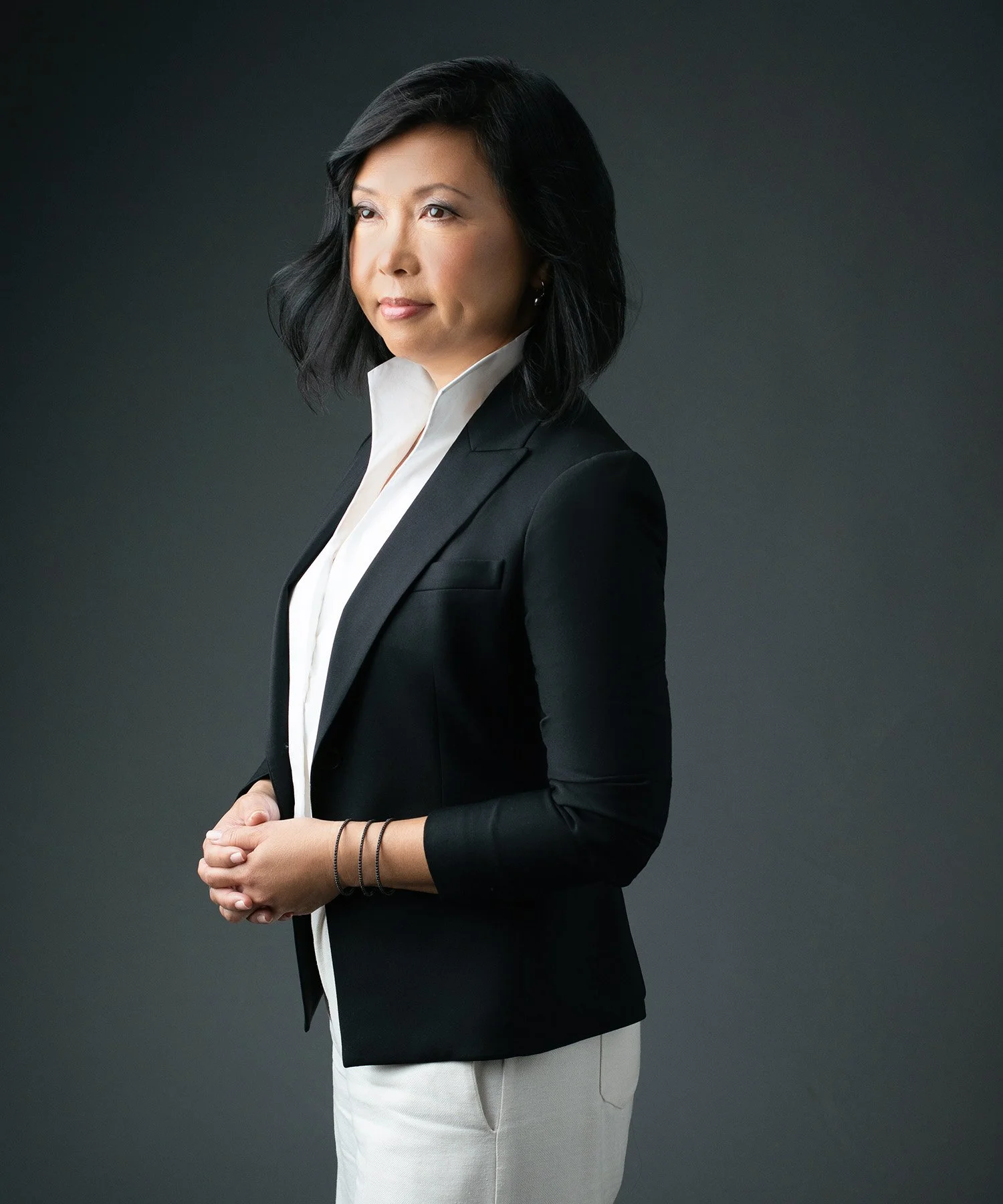
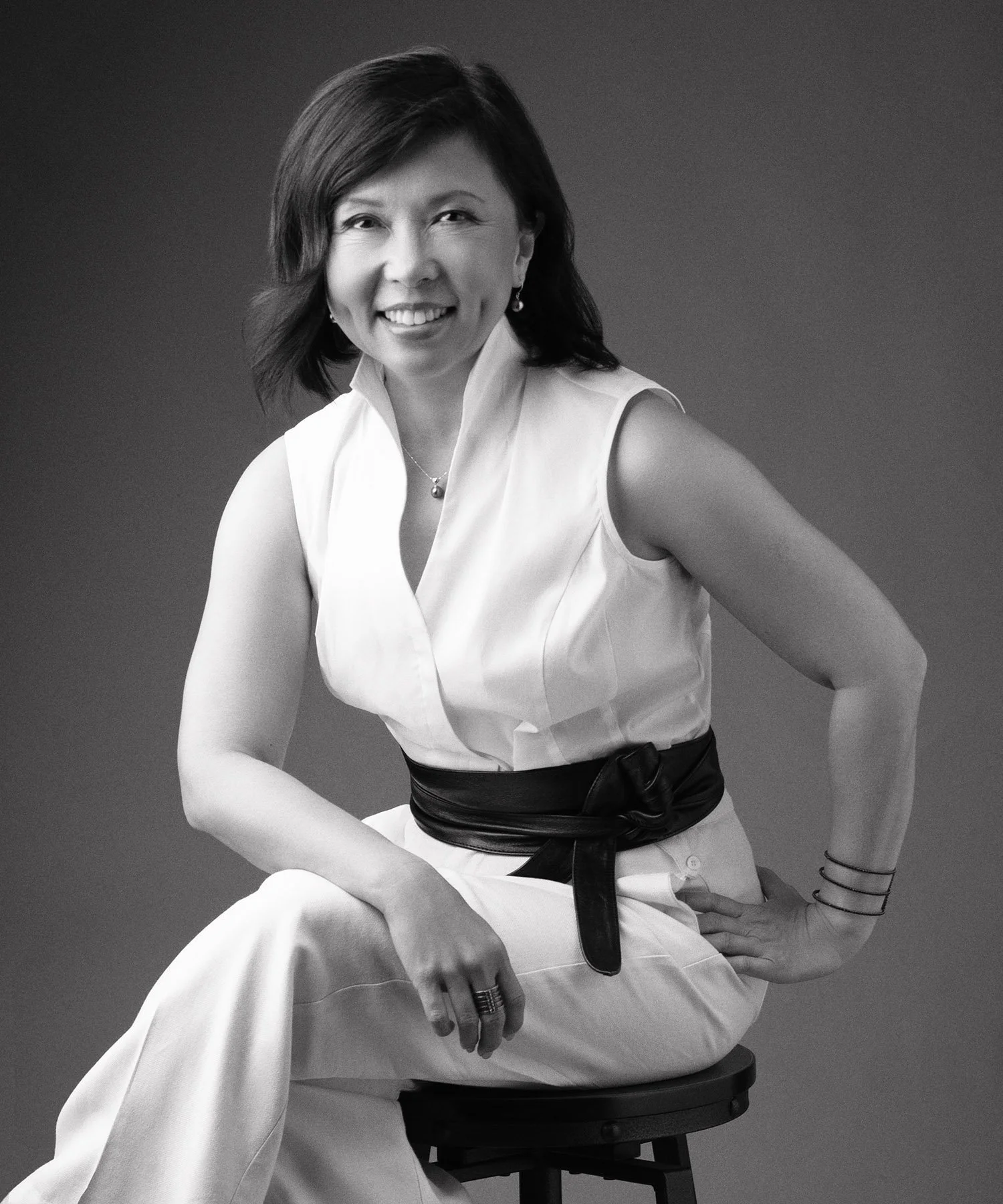
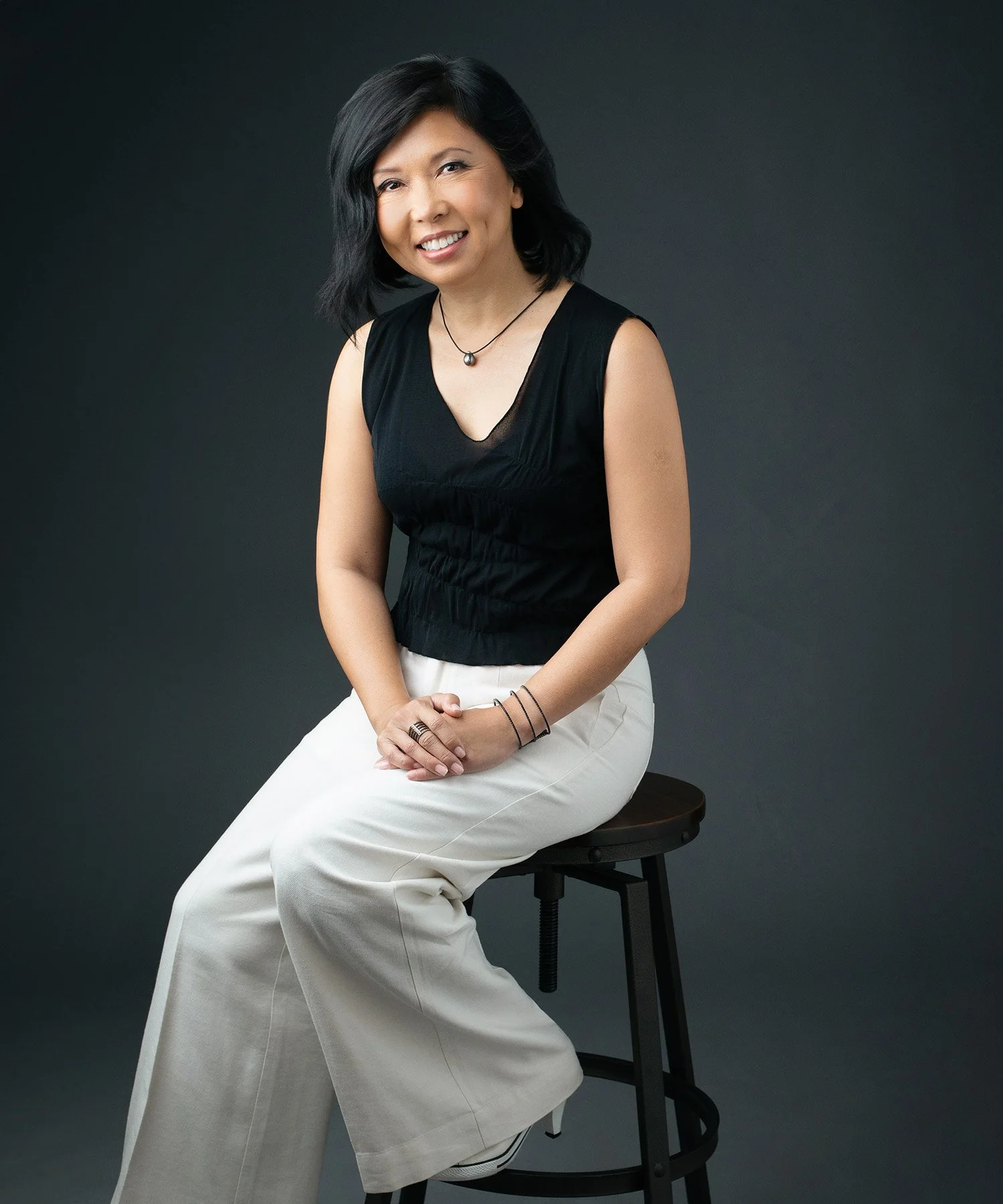
Exploring beyond the professional you…
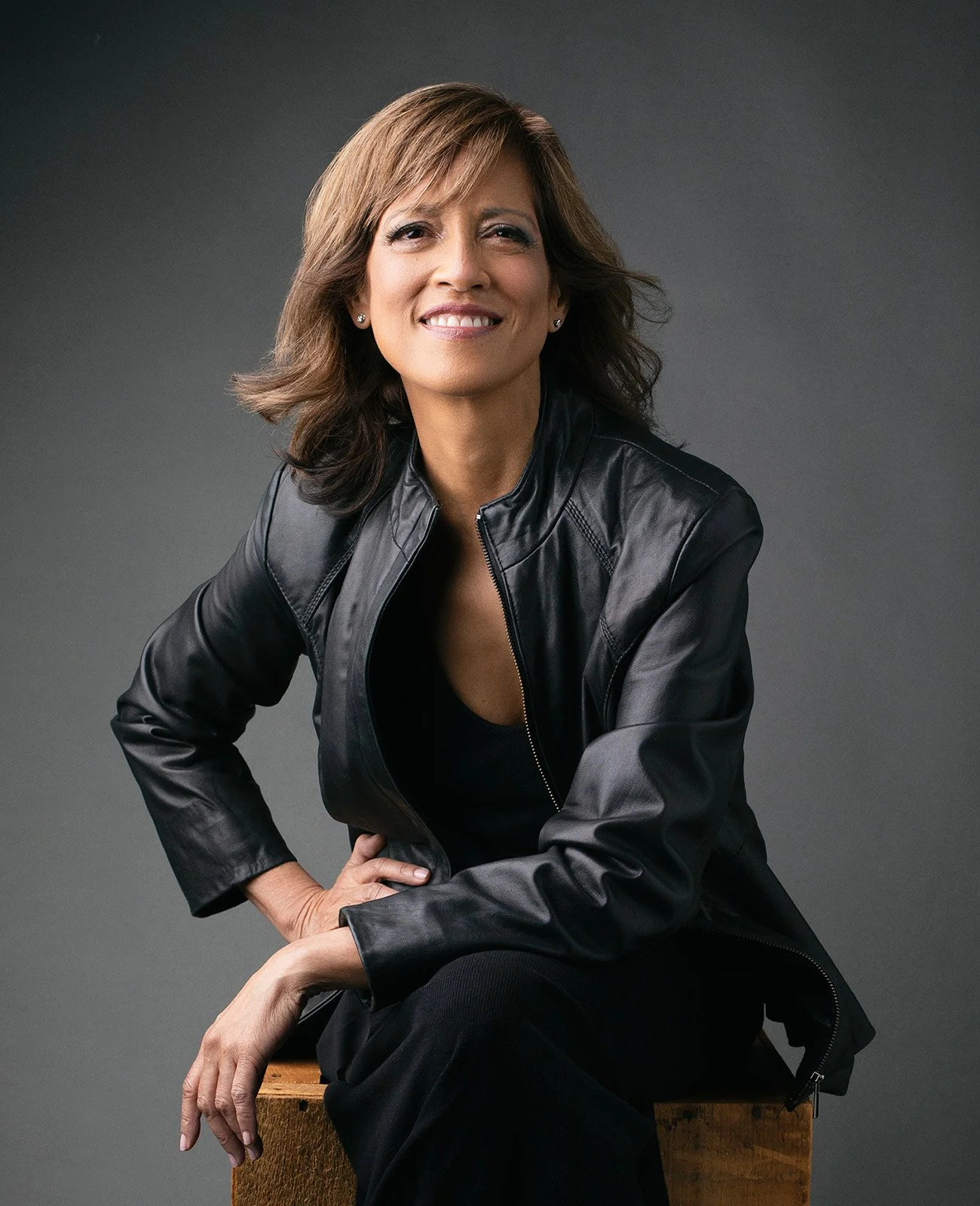

About Iryna
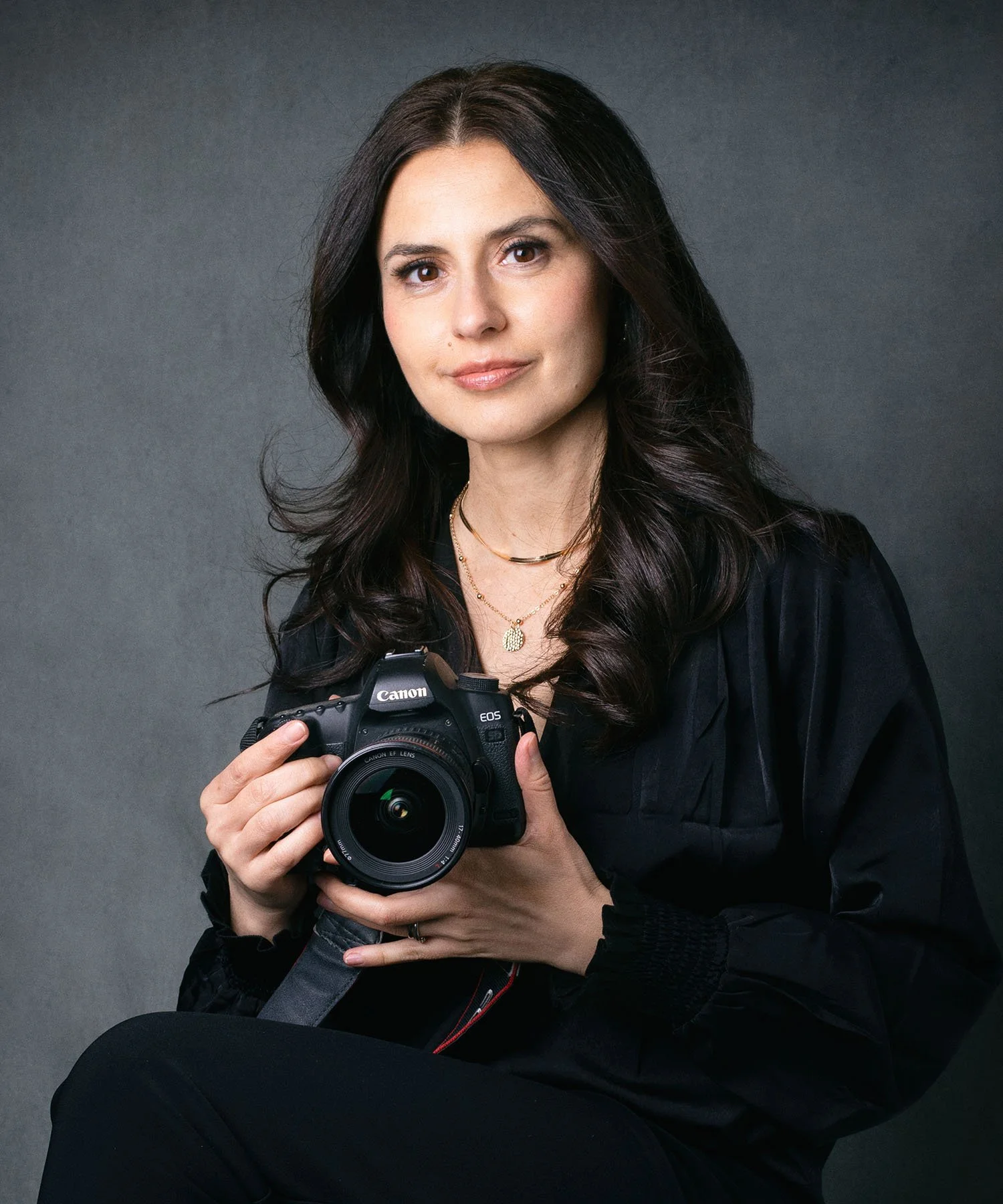
Iryna Sosnovska creates portraits that help women look as accomplished, confident, and compelling as they are.
Working from her Manhattan studio, she photographs founders, executives, creatives, and women entering new chapters of their careers. Her work combines refined portraiture with a deep understanding of how people want to be seen.
After photographing hundreds of women over the past two decades, Iryna has developed a remarkable ability to recognize what makes each person look and feel their best. Through expert direction, thoughtful styling, and an intuitive understanding of expression and body language, she helps clients look natural, confident, polished and true to who they are.